
Breast Cancer: From Awareness To Action
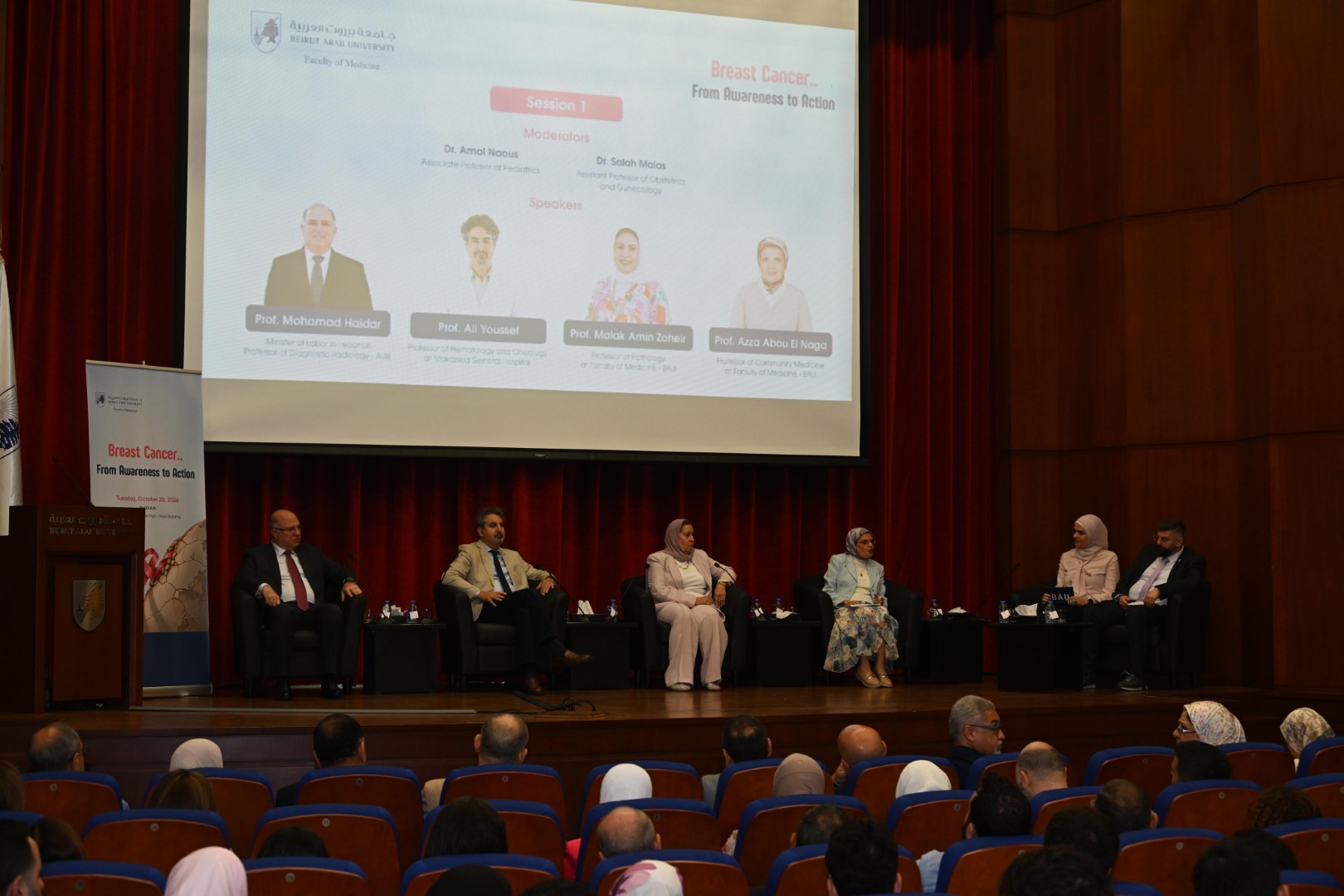
Under the patronage of the Minister of Labor Professor Mohammad Haidar, the Faculty of Medicine at Beirut Arab University organized a specialized scientific symposium on breast cancer titled "Breast Cancer: From Awareness to Action."
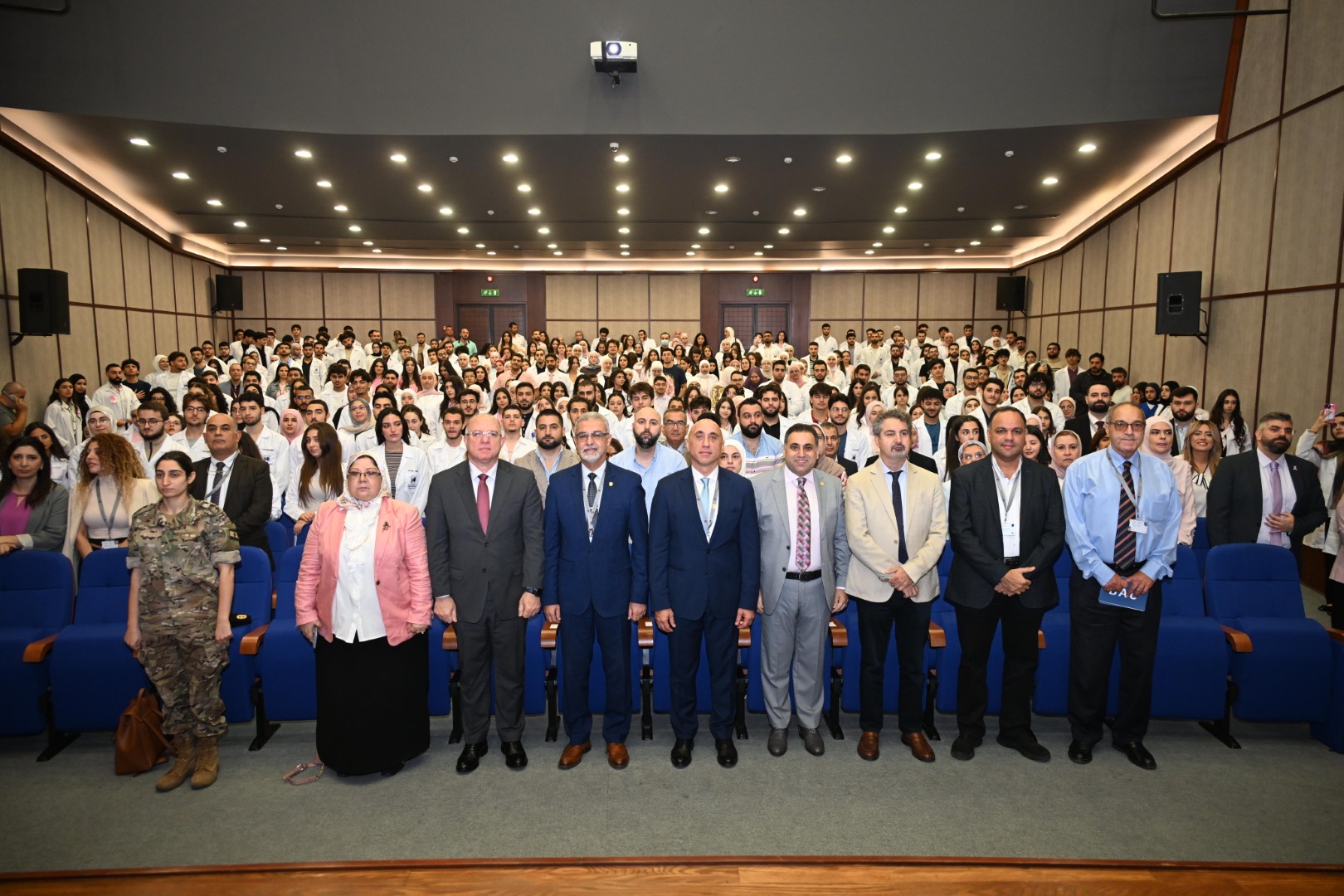
The event was attended by the President of the University Professor Wael Nabil Abdel Salam; the Secretary-General of the University Dr. Omar Houri; the Dean of the Faculty of Medicine Professor Wafaa El-Sehly; university deans; and an elite group of professors, physicians, and specialists from Beirut Arab University and the American University of Beirut, alongside specialists in pharmacy and health sciences. The symposium aimed to highlight the latest developments in breast cancer research, diagnostic methods, and treatment options, while emphasizing the importance of an interdisciplinary healthcare approach to patient care.
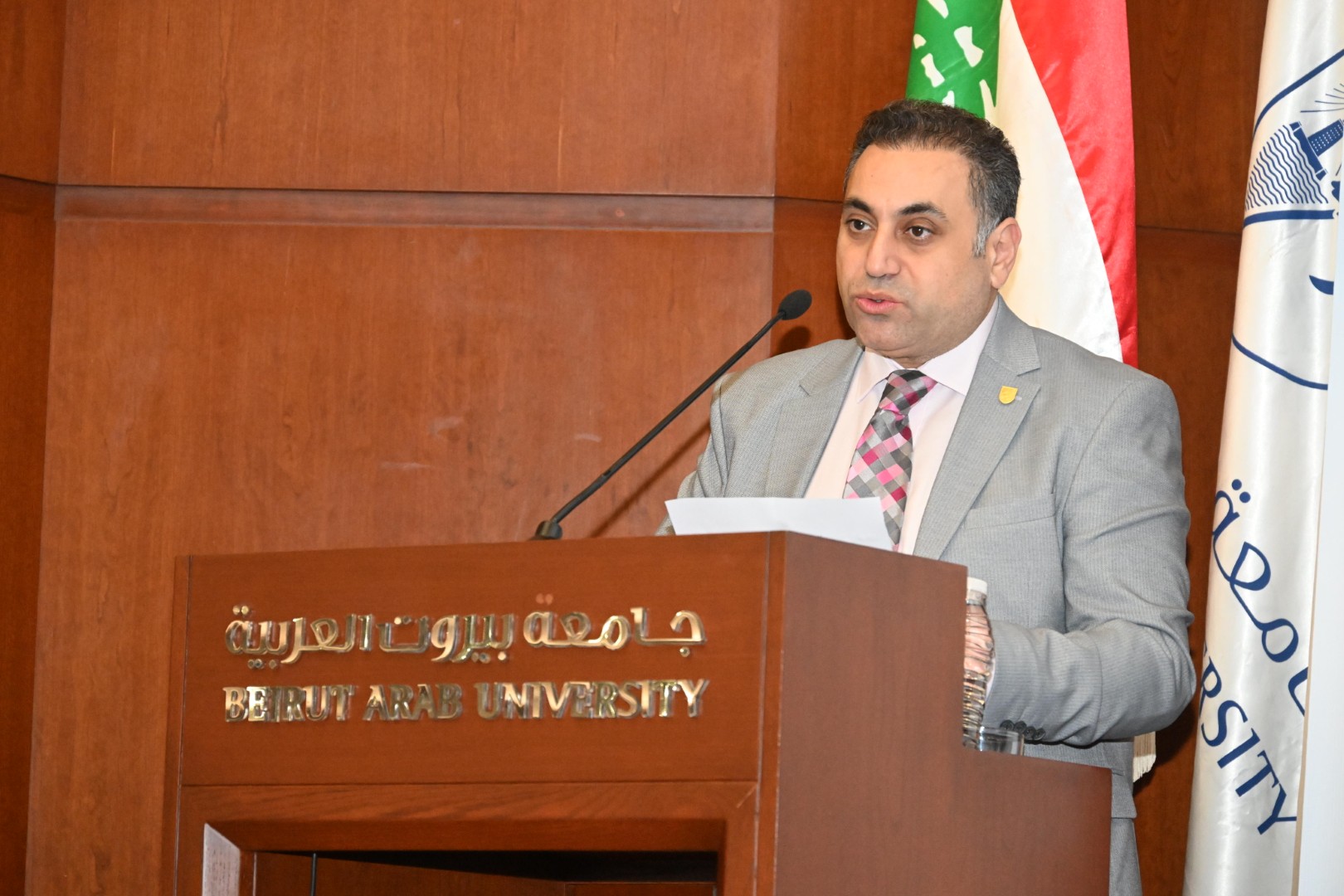
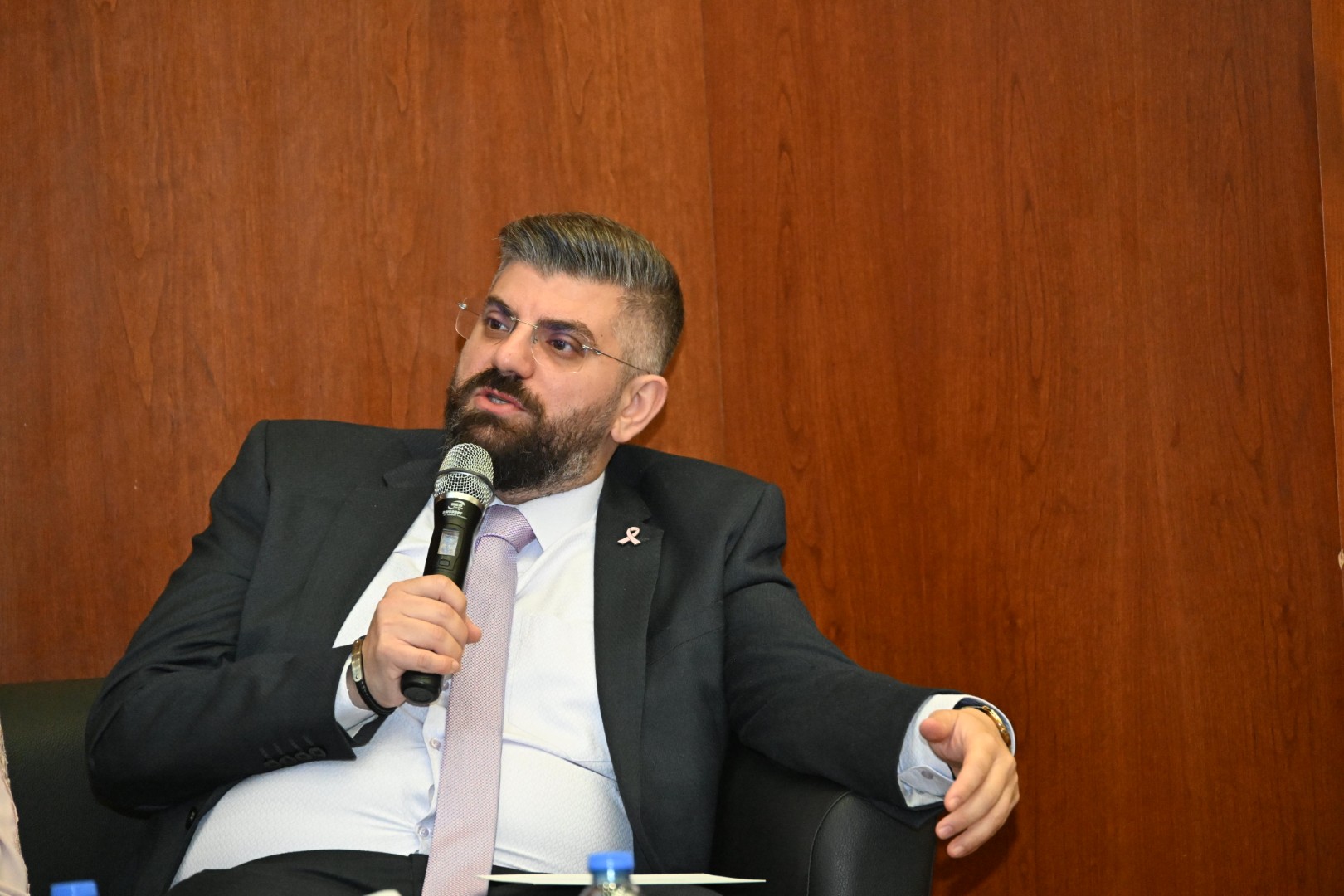
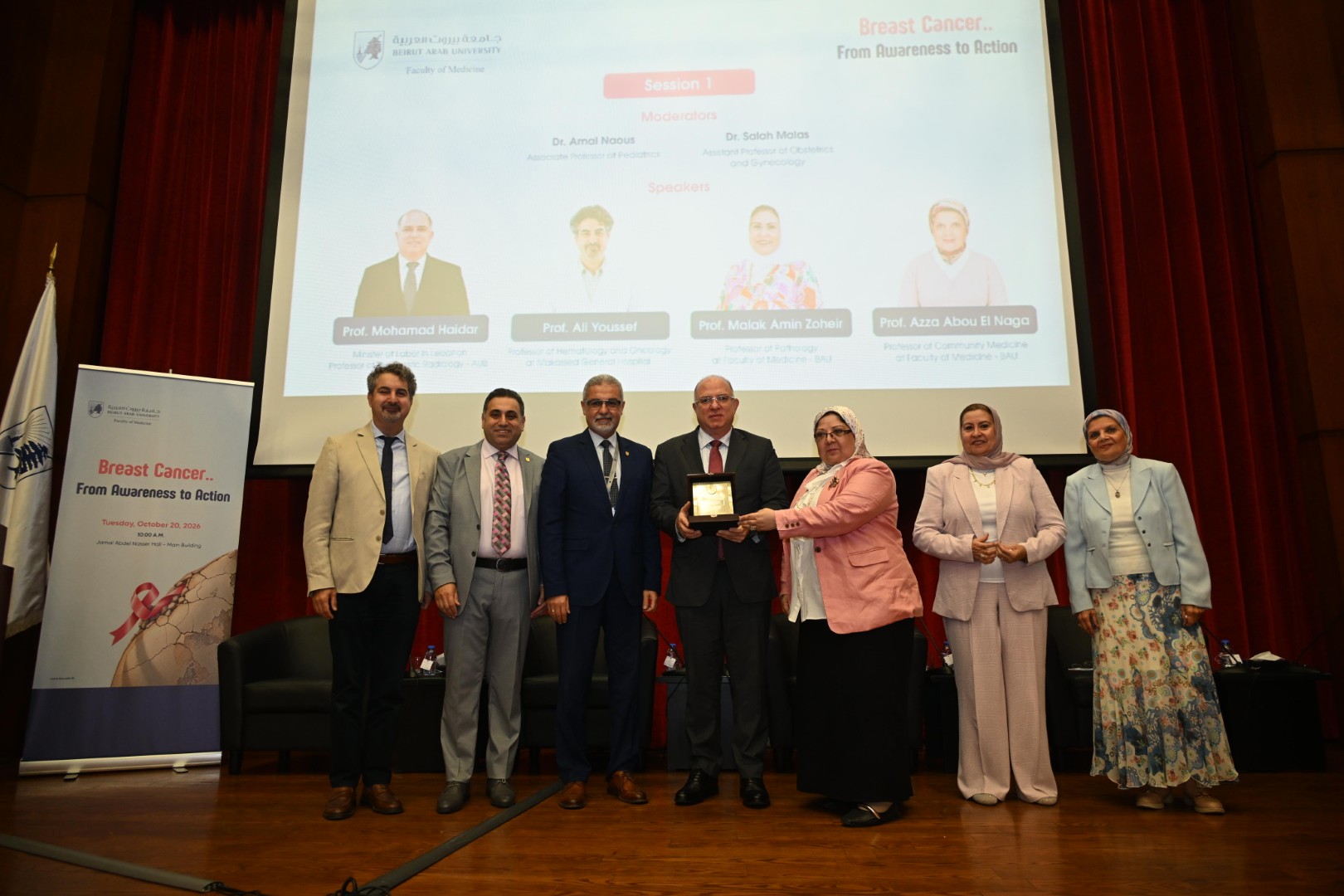
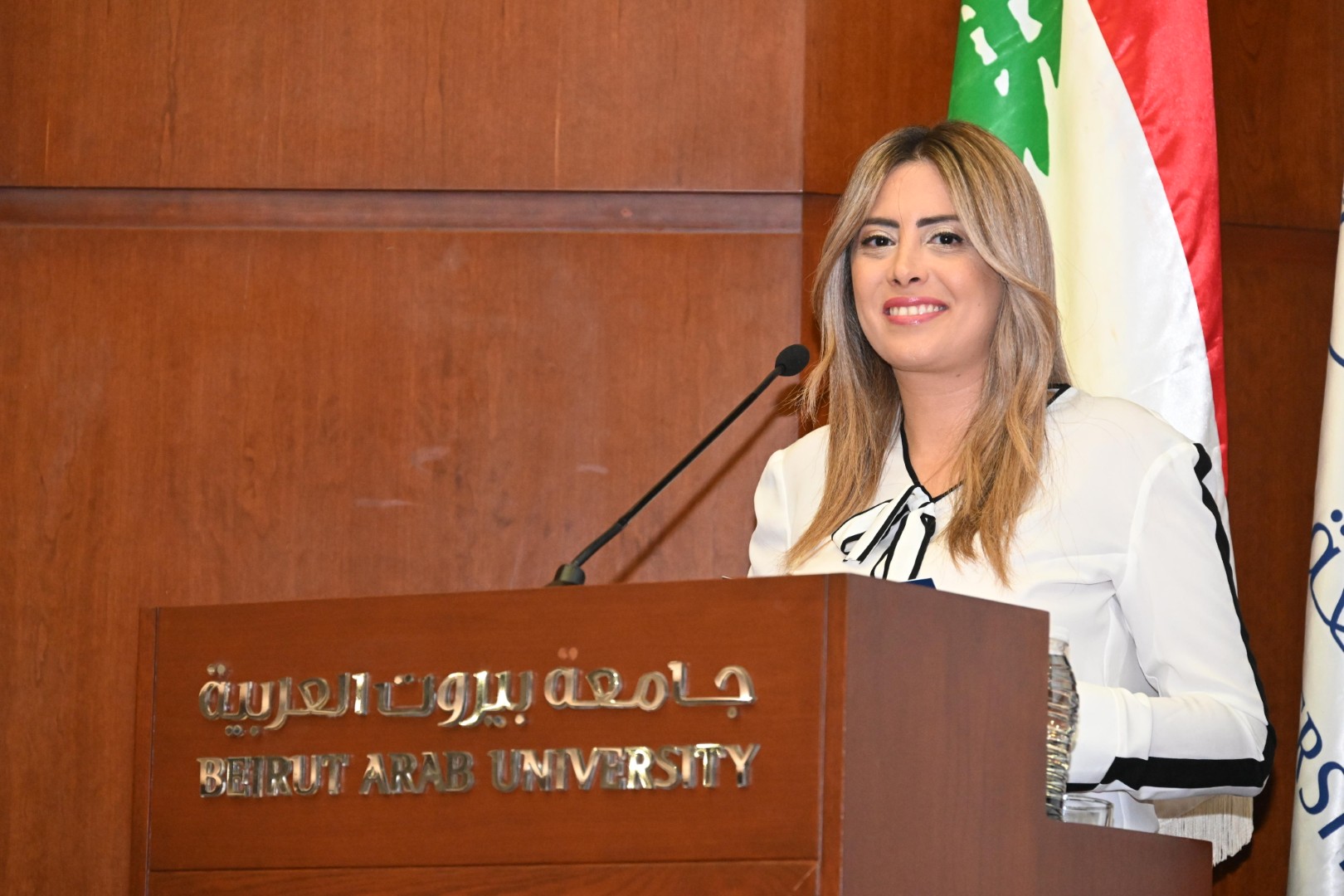
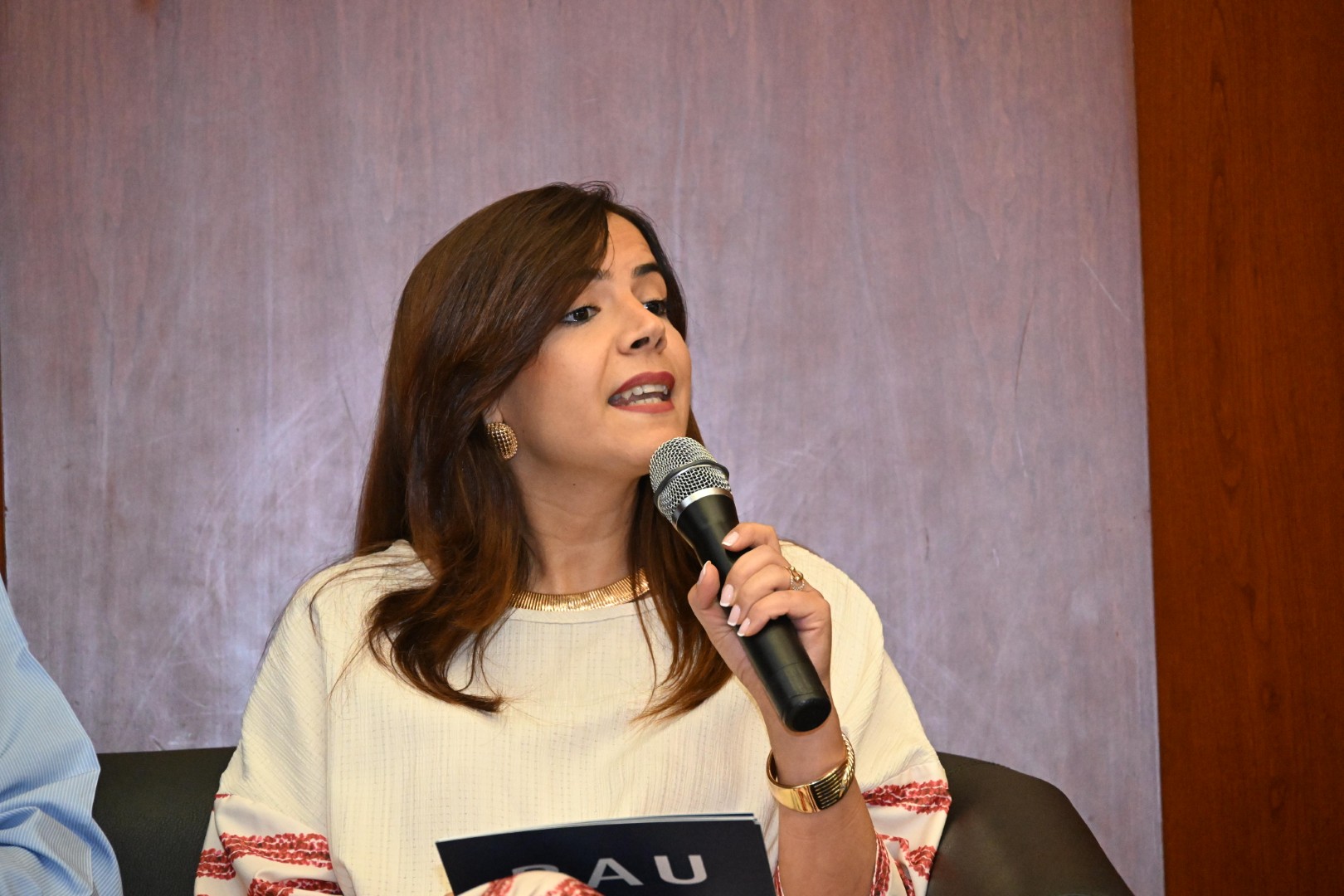
Following welcoming remarks by the Assistant Dean of the Faculty Dr. Mohammad Houri, the first session was moderated by Associate Professor Dr. Amal Naous and Assistant Professor Dr. Salah Malas, focusing on the epidemiological, diagnostic, and therapeutic aspects of breast cancer:
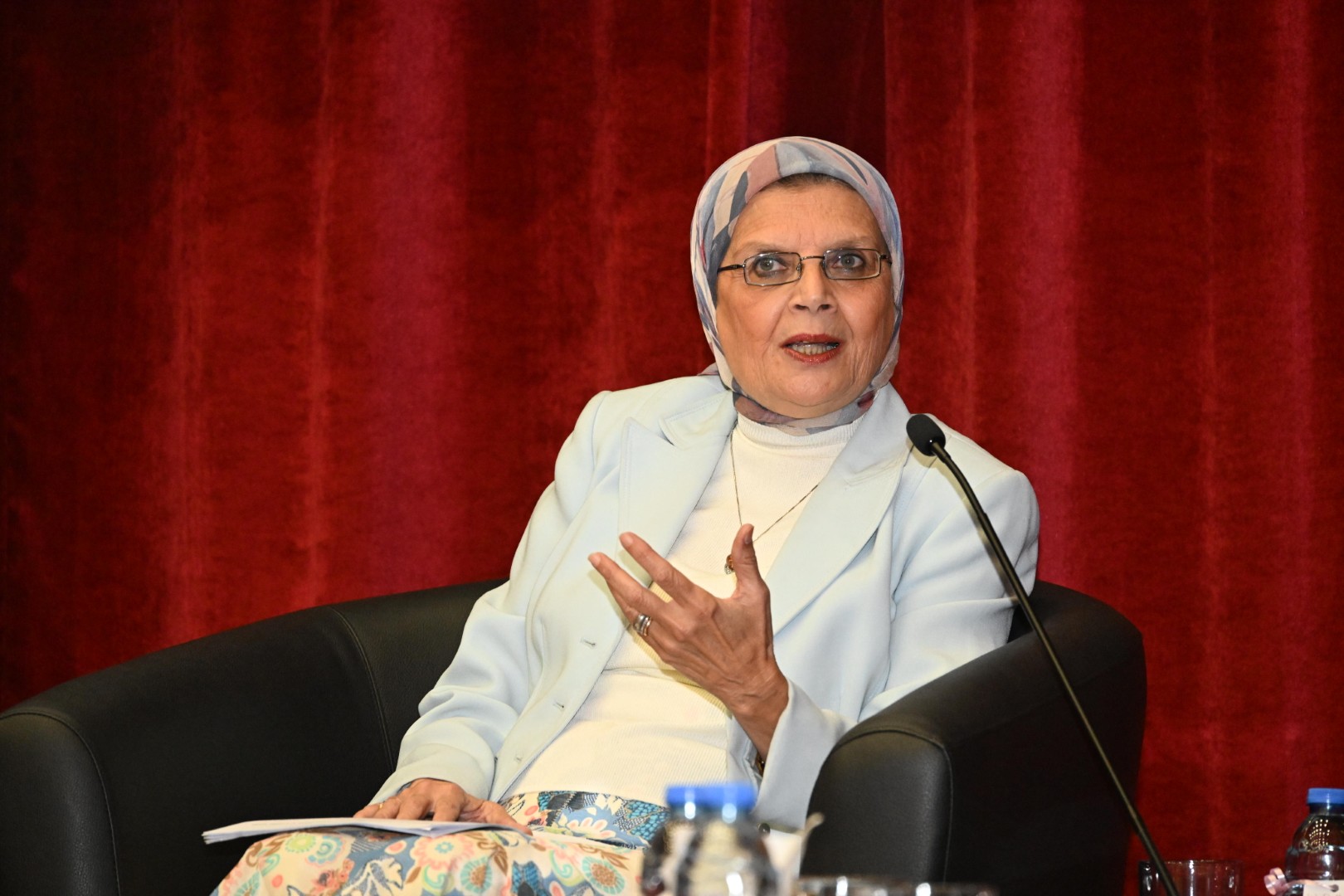
Professor Azza Abou El-Naga commenced the session by discussing the epidemiology of breast cancer, detailing its prevalence and risk factors including genetic and hormonal influences, advancing age, and obesity. She emphasized the critical role of health awareness and identifying risk factors to promote early detection.
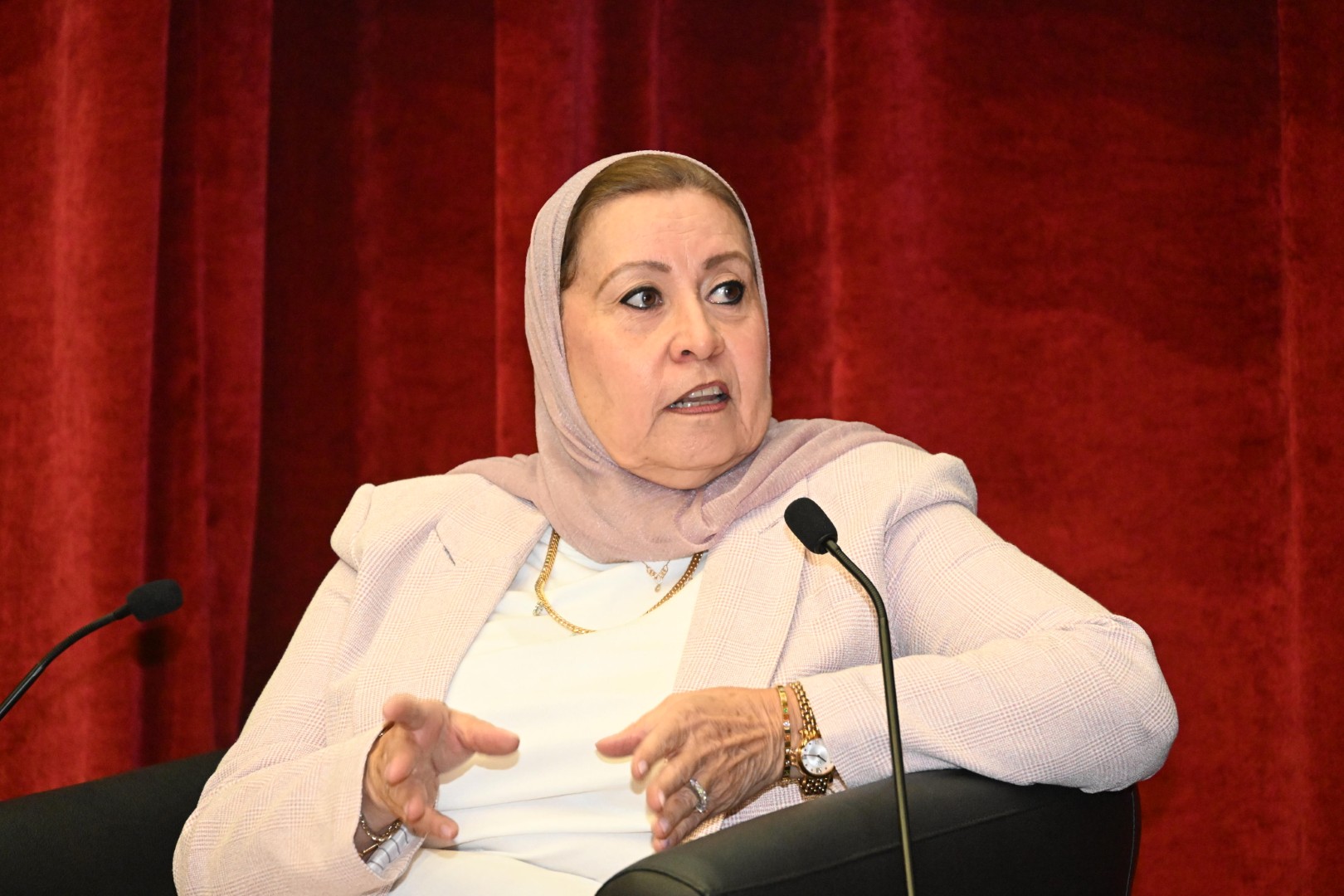
Professor Malak Zouheir presented key aspects of breast cancer diagnosis, highlighting the significance of clinical examinations and medical imaging particularly mammography and ultrasound in detecting and evaluating abnormal changes. She also underscored the importance of histological examinations and biopsies when a tumor is suspected, ensuring diagnostic confirmation and characterization to guide appropriate treatment selection.
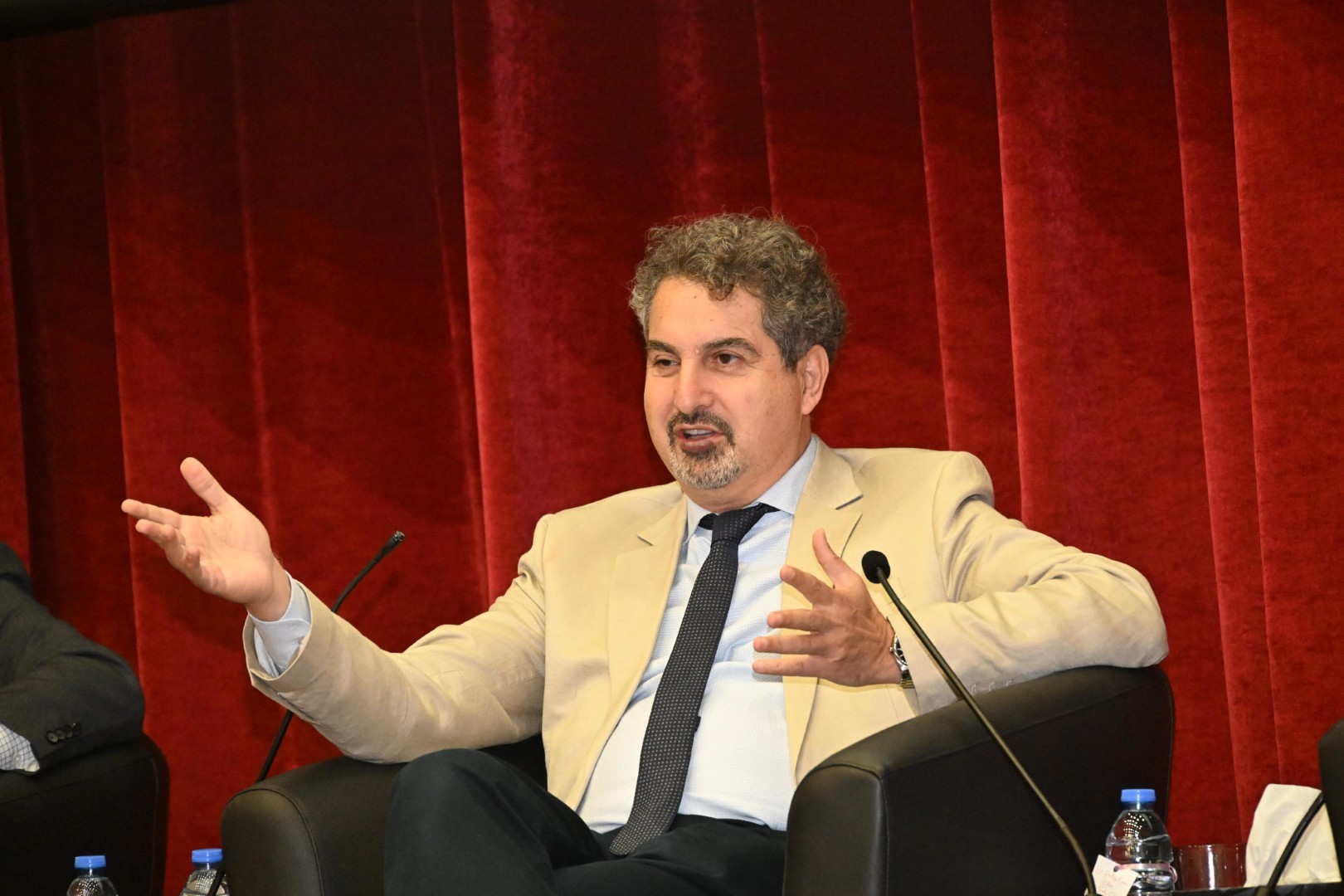
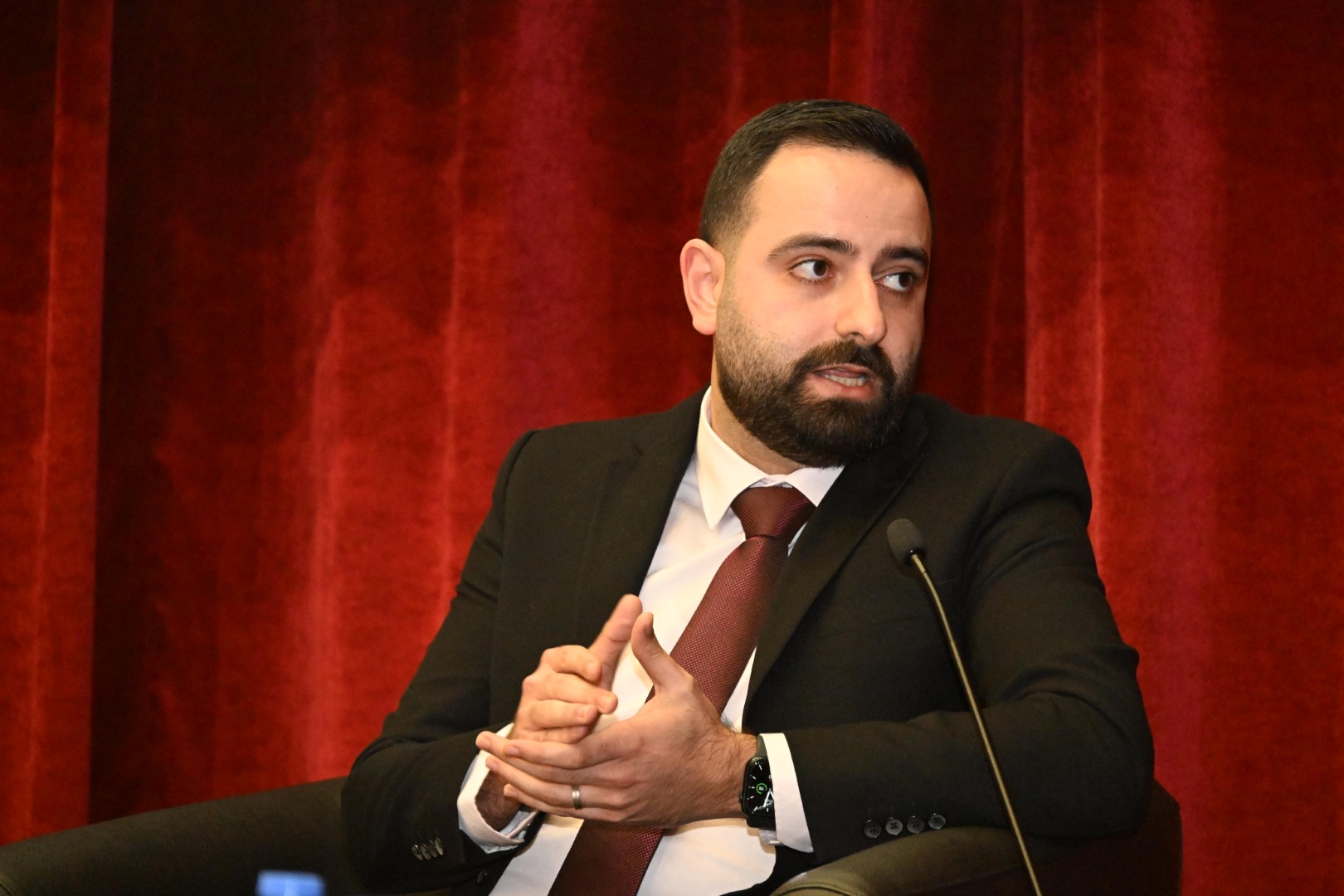
Dr. Ali Youssef reviewed available therapeutic options, which include surgery, chemotherapy, radiotherapy, hormonal therapy, and targeted therapies customized according to tumor type, stage, and biological characteristics. He highlighted the importance of establishing a comprehensive, personalized treatment plan through multidisciplinary collaboration to improve clinical outcomes and survival rates.
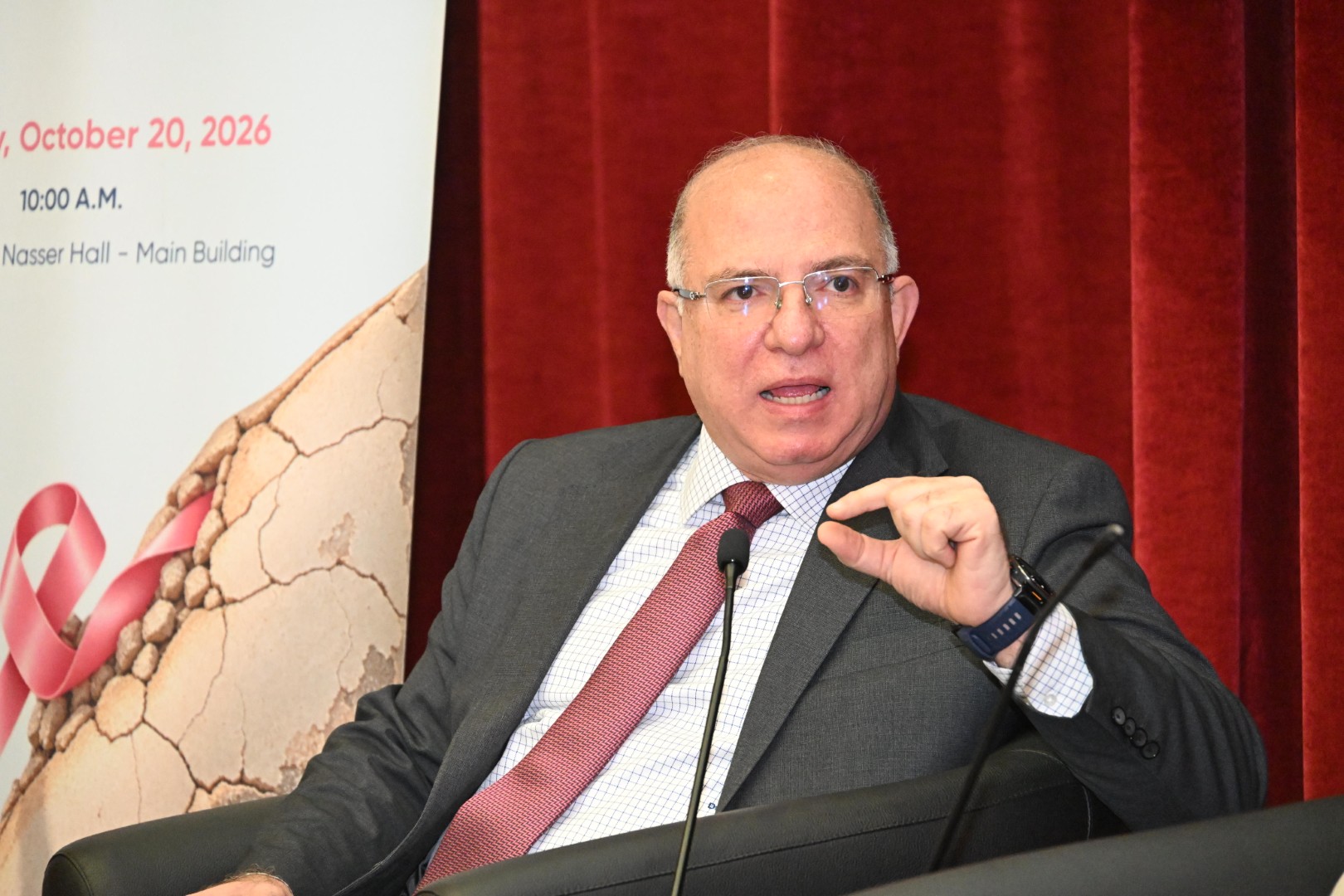
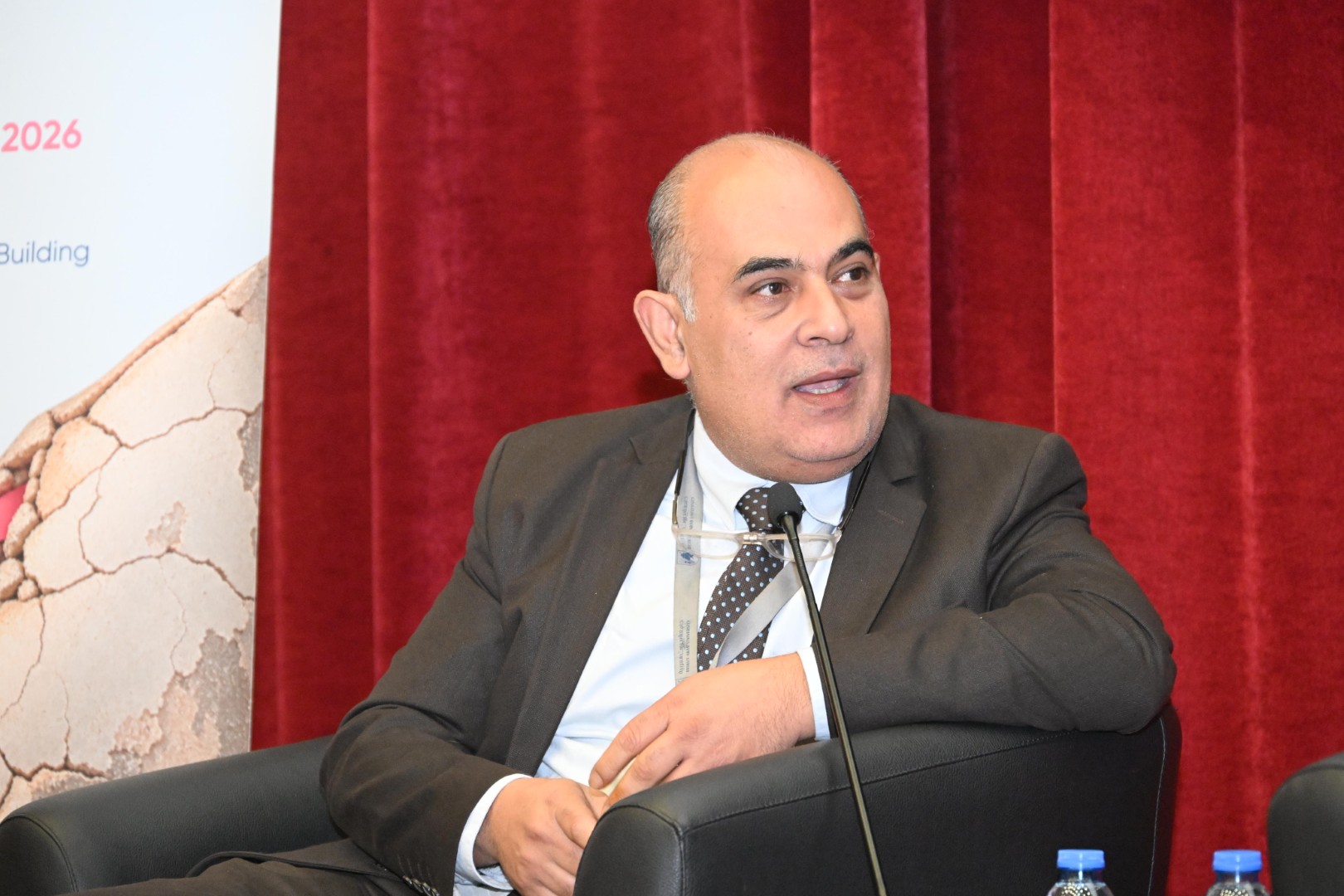
His Excellency Professor Mohammad Haidar addressed the role of nuclear medicine in evaluating breast cancer. He explained the utility of nuclear imaging techniques in specific scenarios, particularly for assessing disease dissemination or monitoring treatment response based on clinical indications.
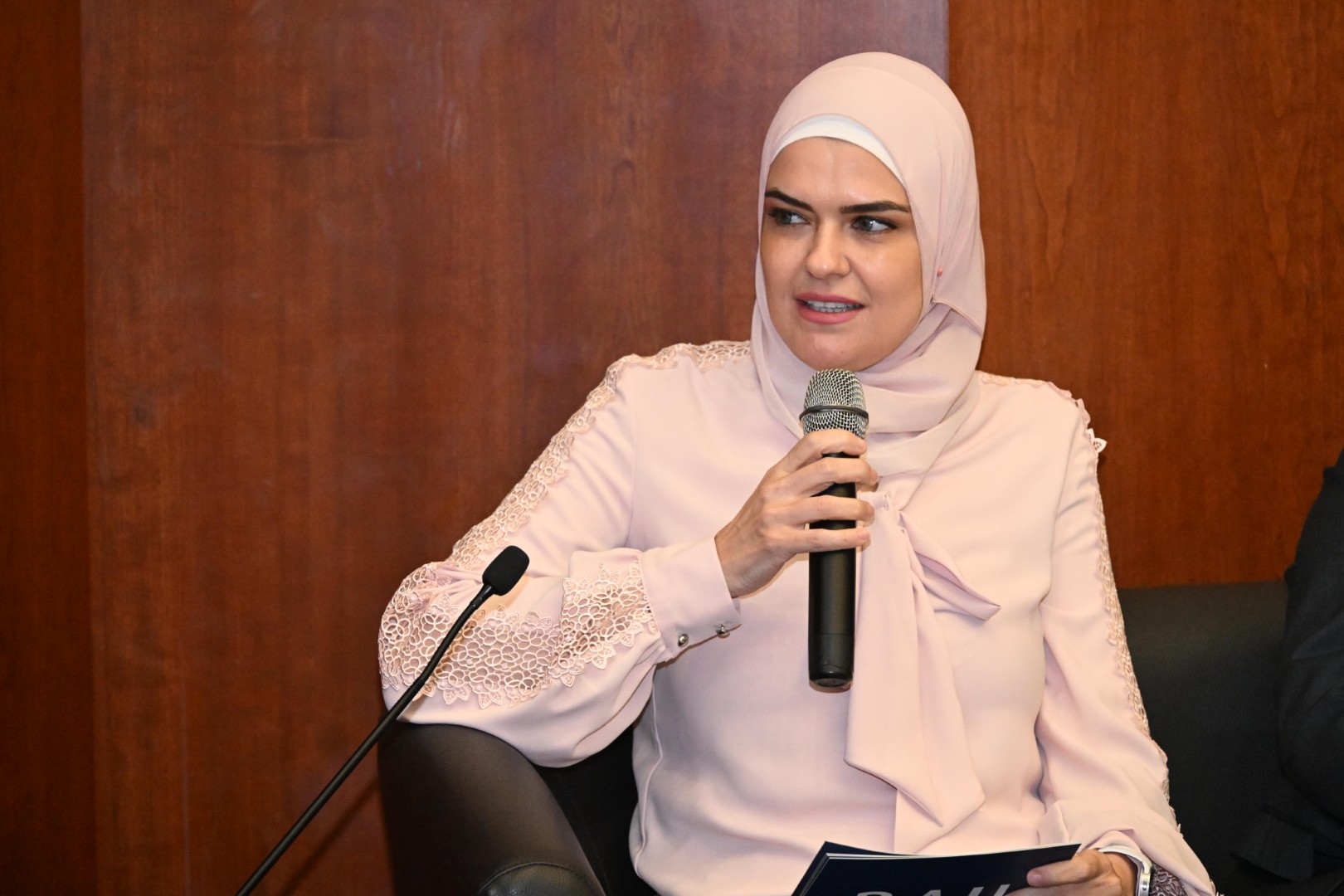
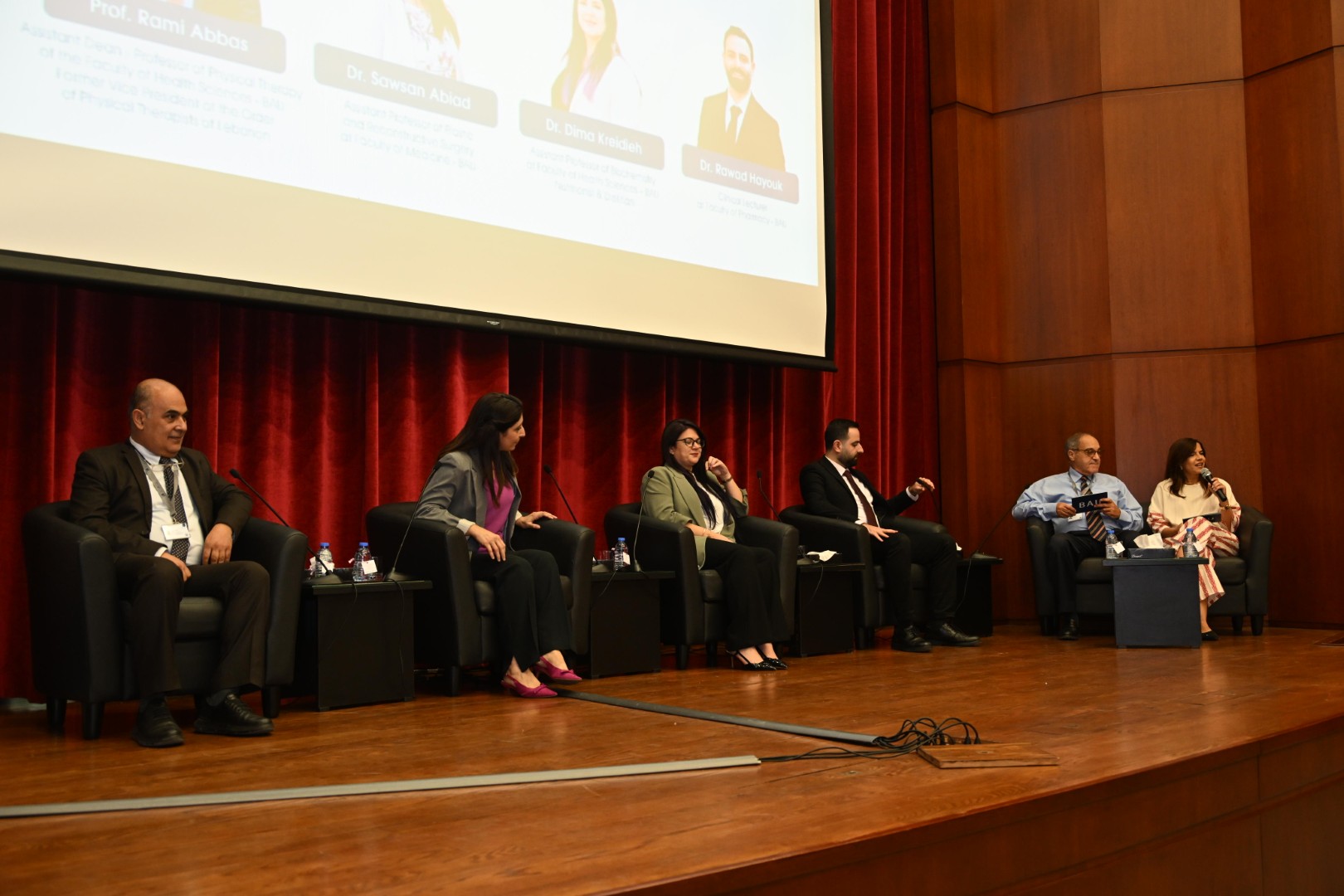
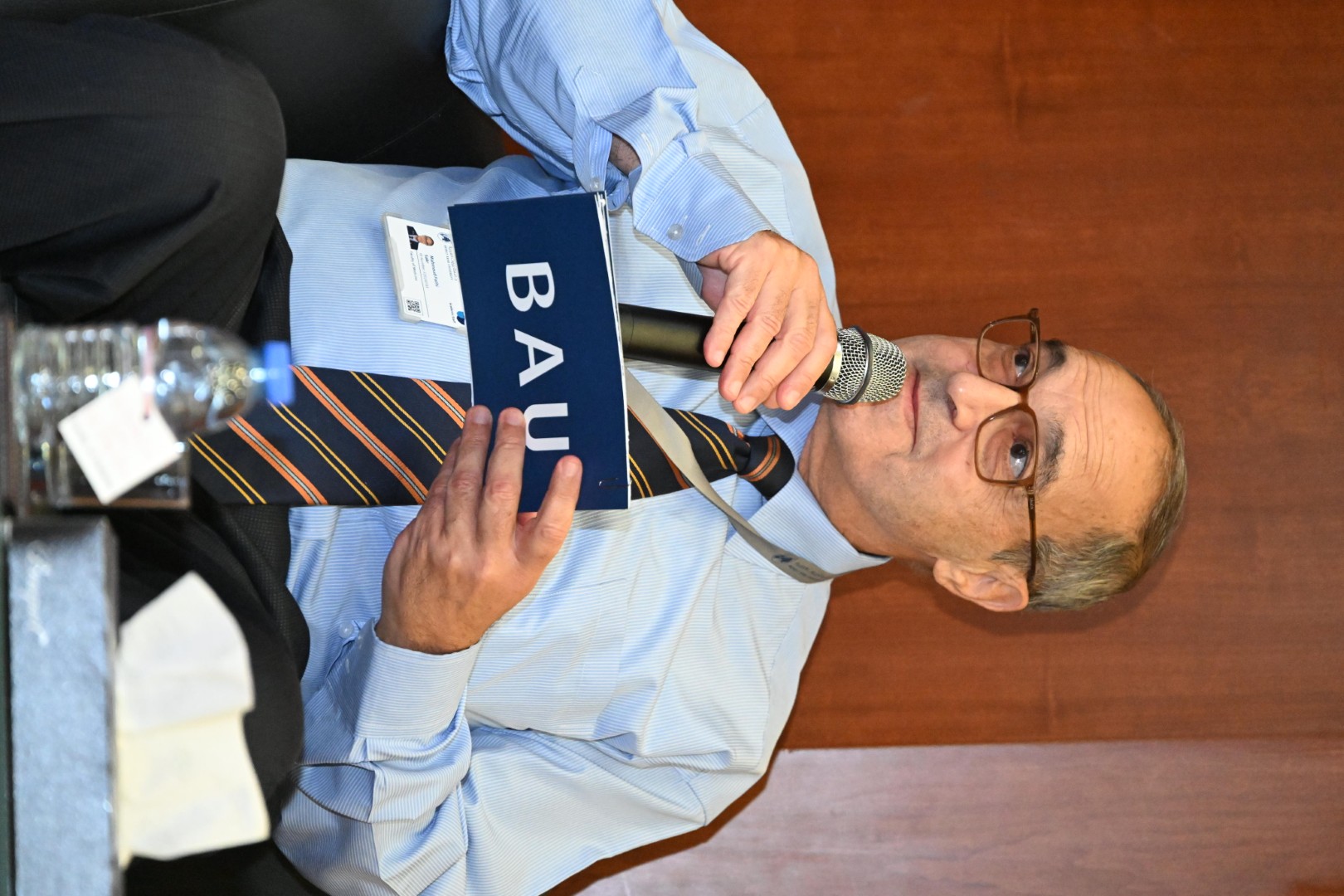
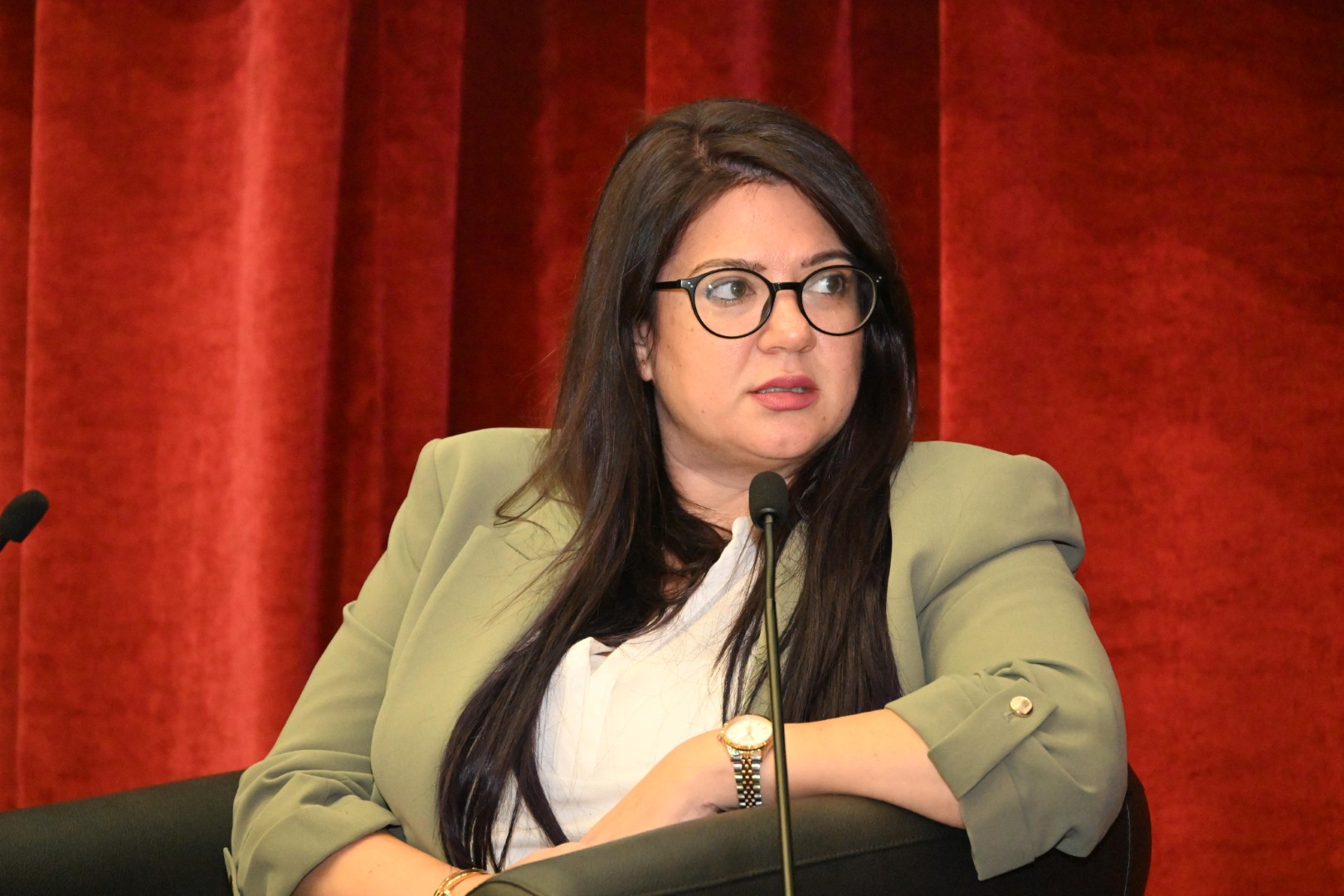
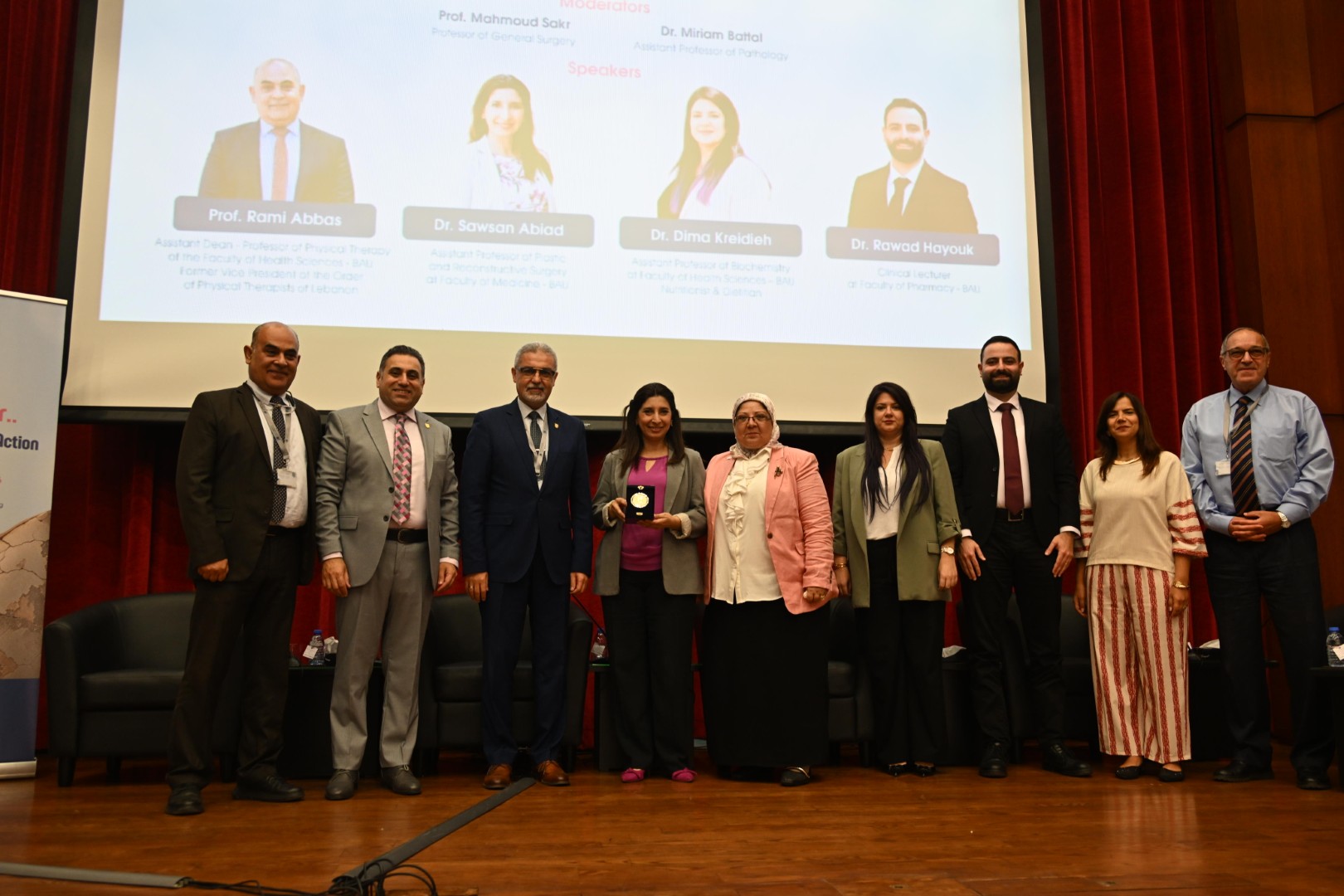
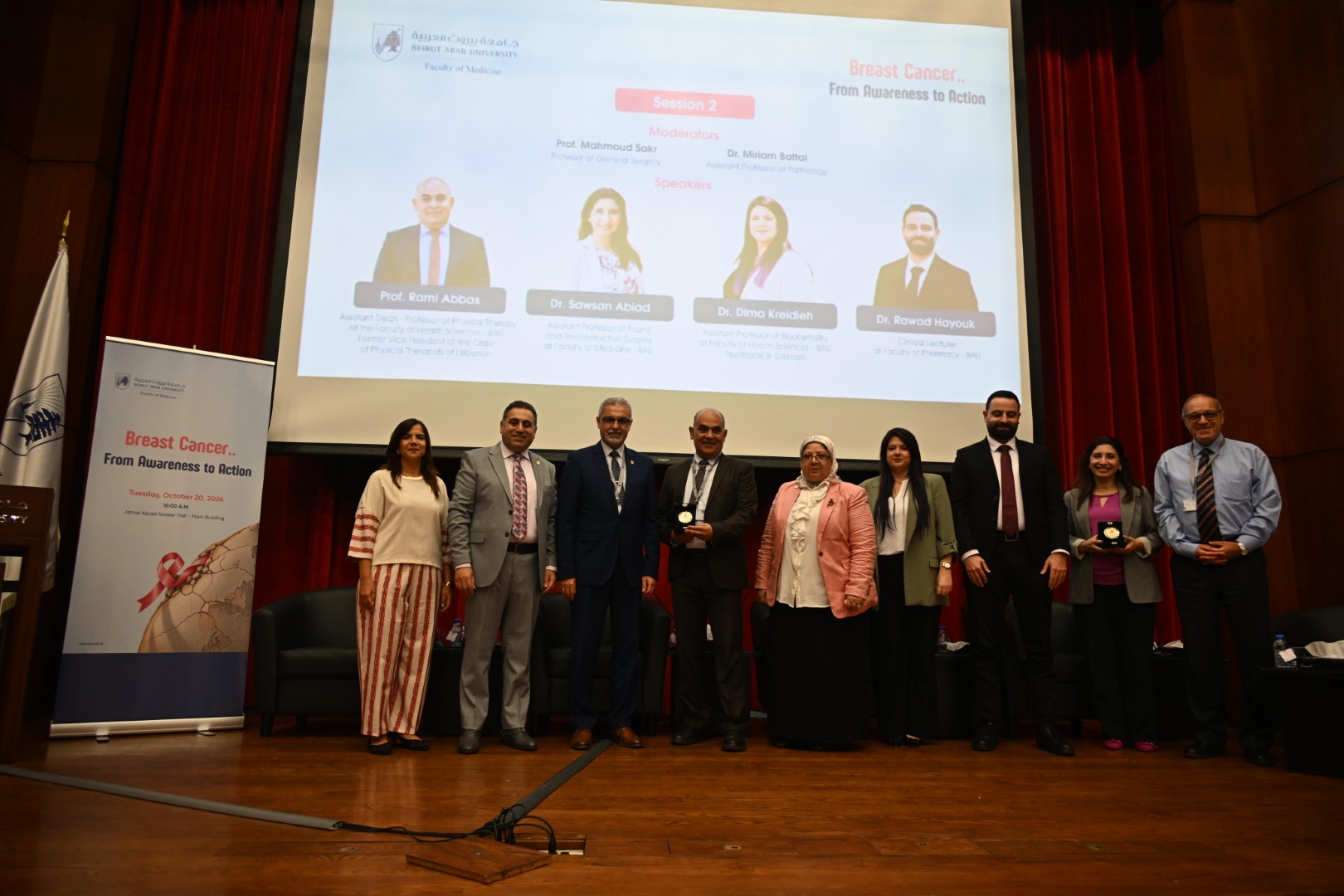
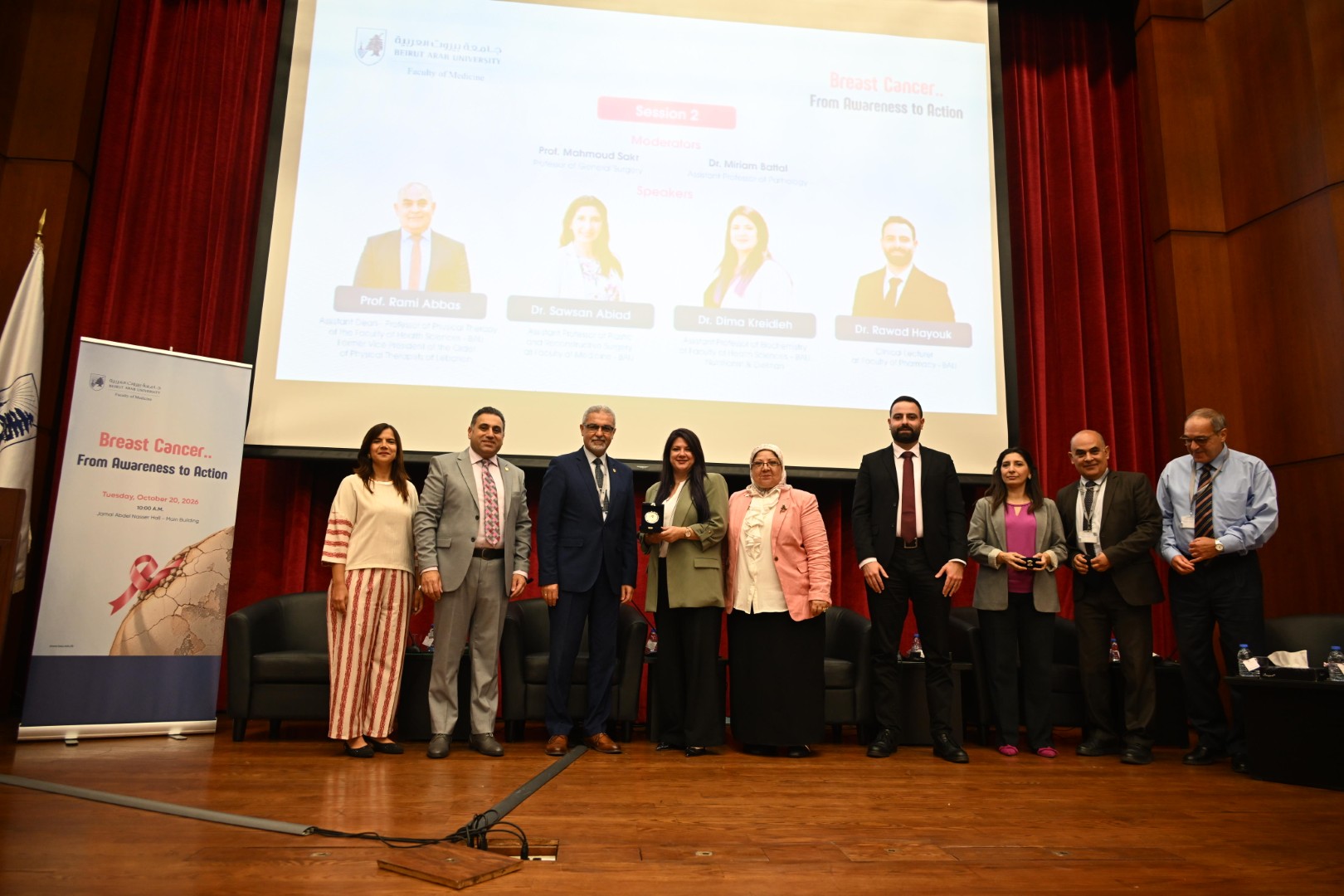
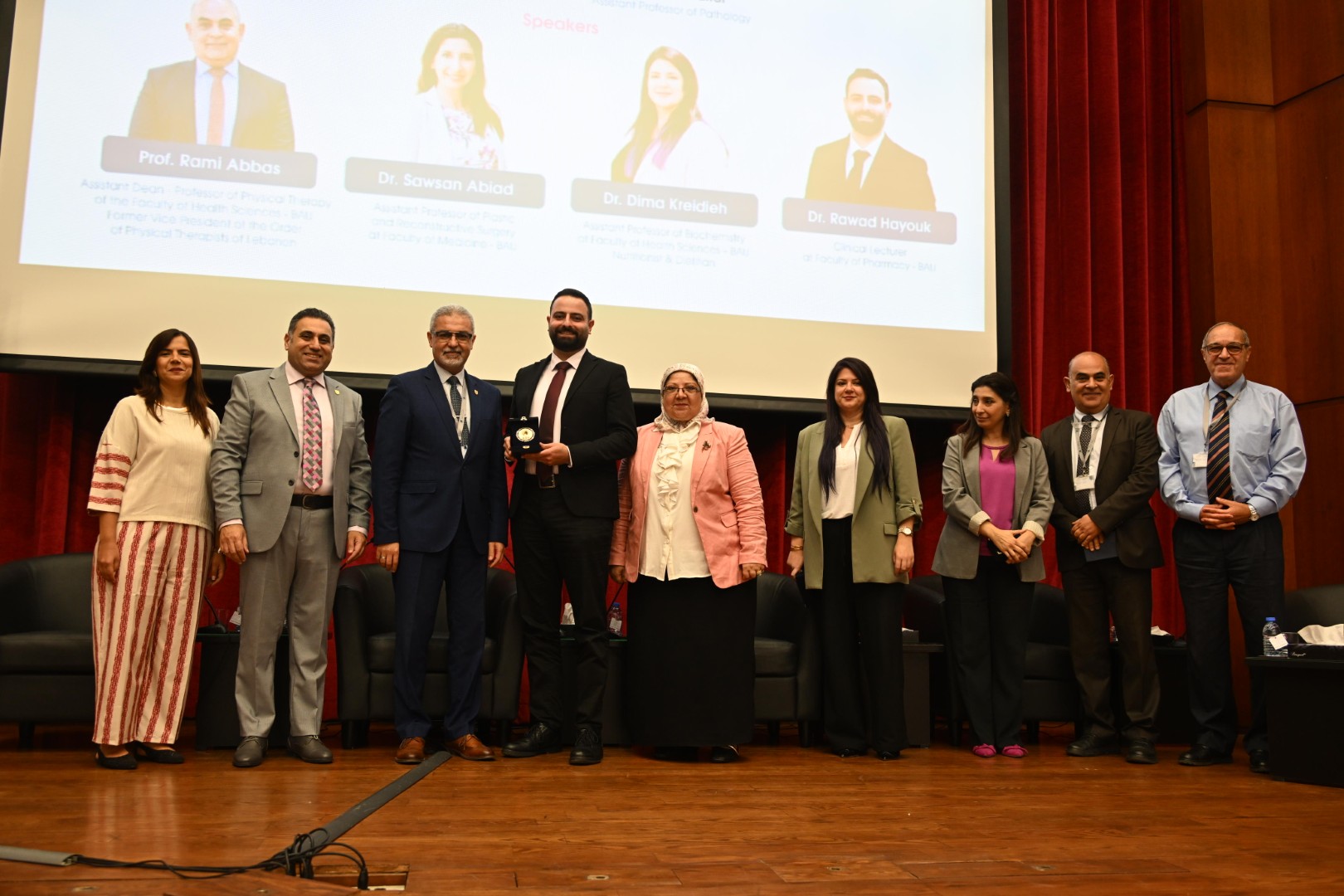
The second session, moderated by Professor Mohammad Sakr and Assistant Professor Maryam Battal, addressed therapeutic, rehabilitative, and nutritional aspects of breast cancer care. The Assistant Professor Dr. Sawsan Abiad presented on aesthetic and reconstructive breast surgery. Then, Dr. Rawad Hayouk discussed treatment modalities and their integration into the overall care plan. Professor Rami Abbas highlighted the essential role of physical therapy in supporting patients throughout their treatment and recovery journey. Assistant Professor Dr. Dima Kreidieh addressed the impact of nutrition in supporting general health and enhancing patients' quality of life.
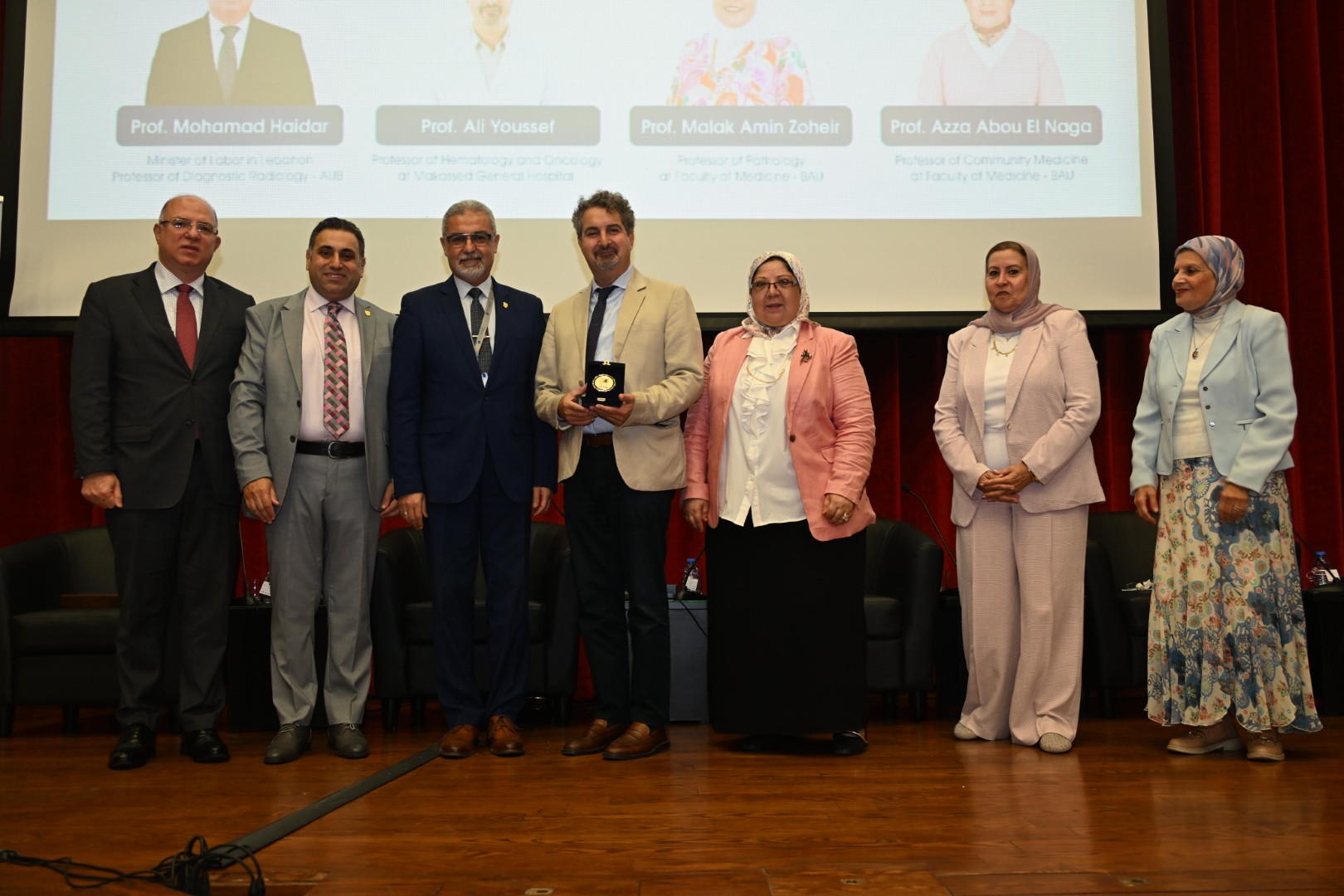
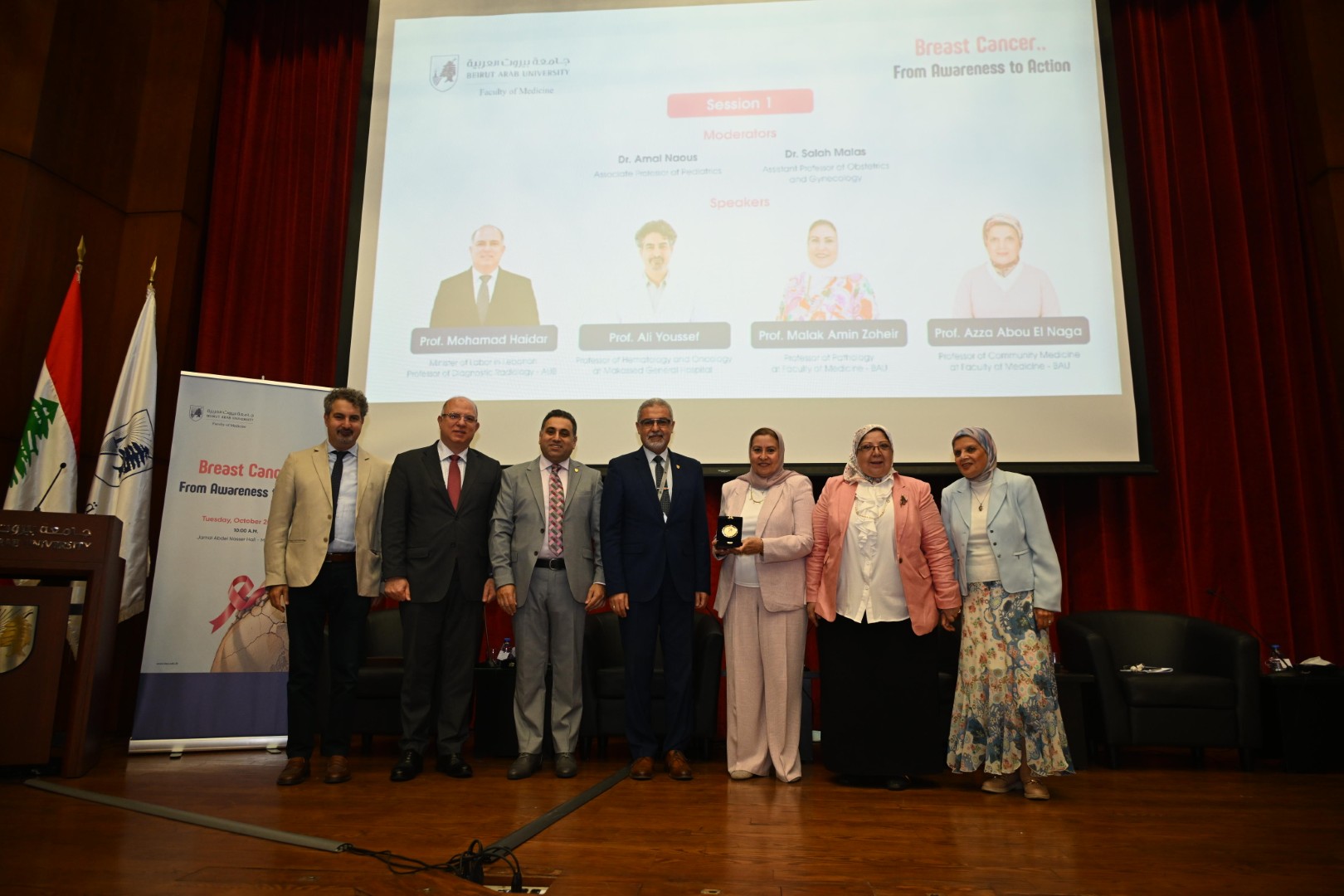
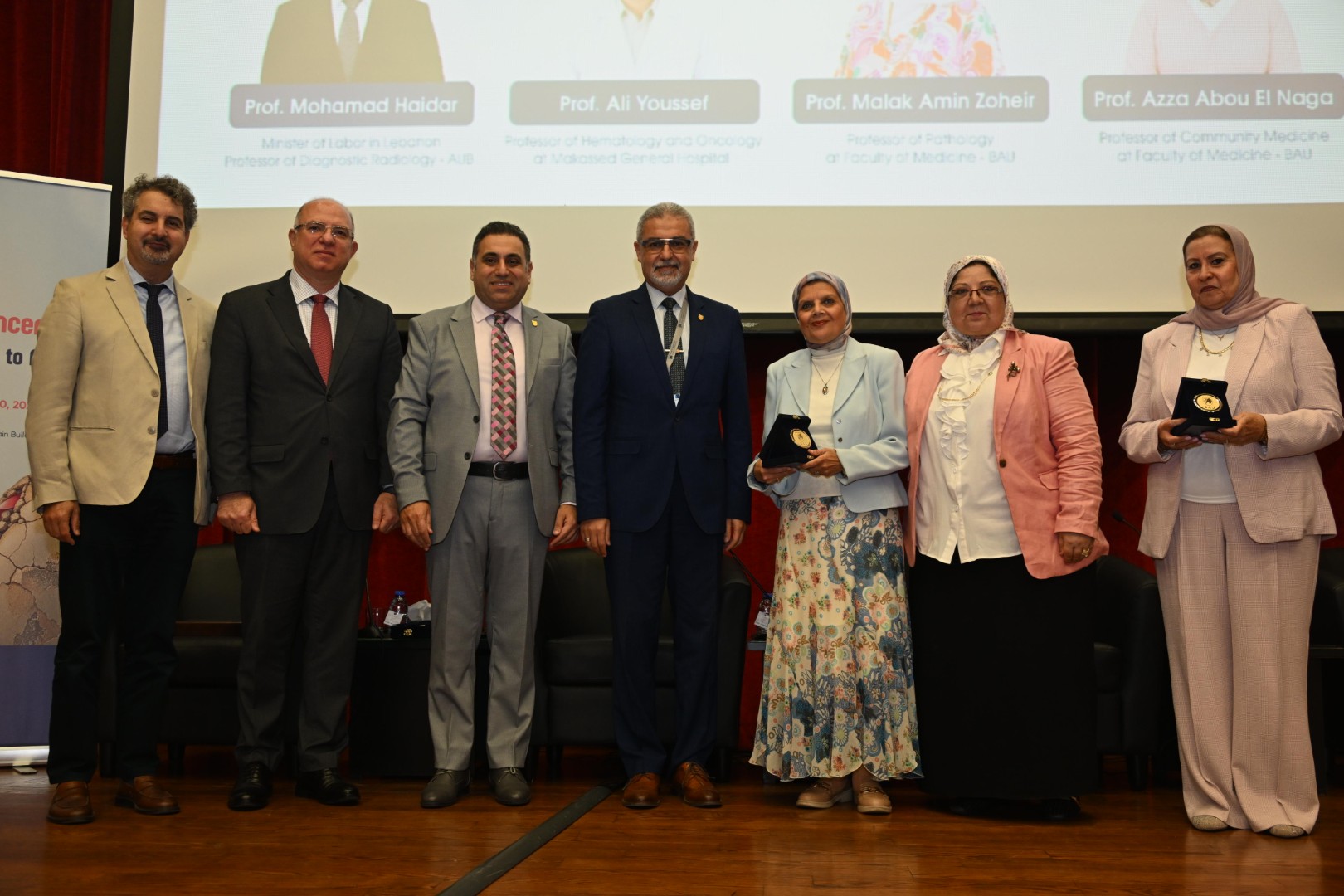
At the end of the event, President Professor Abdel Salam presented H.E Dr. Mohammad Haidar with the University’s Commemorative Shield as a token of appreciation, alongside university medals awarded to all participating speakers and panel members.
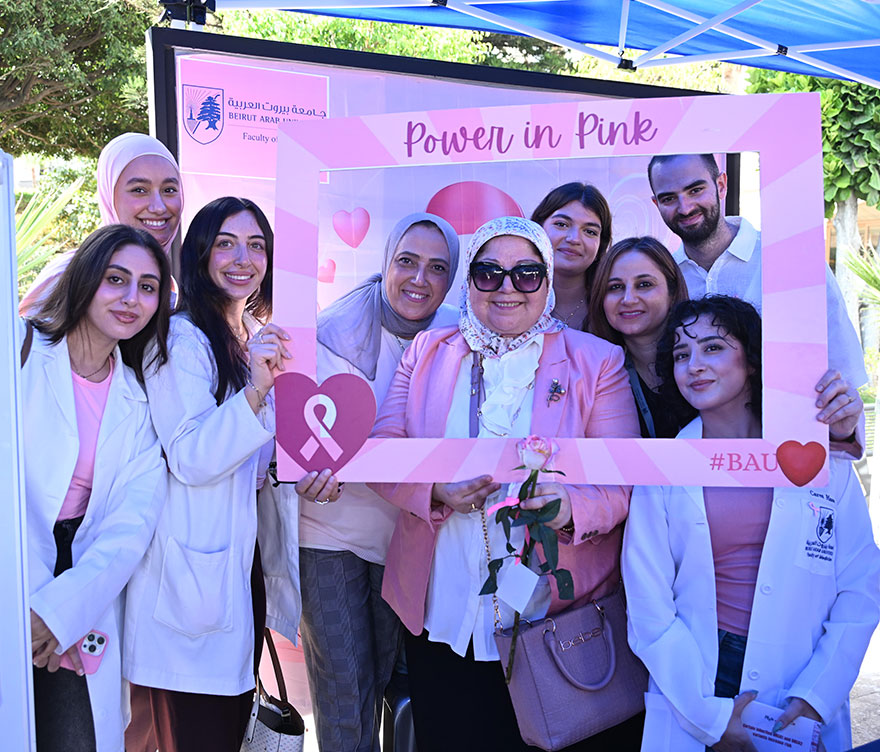
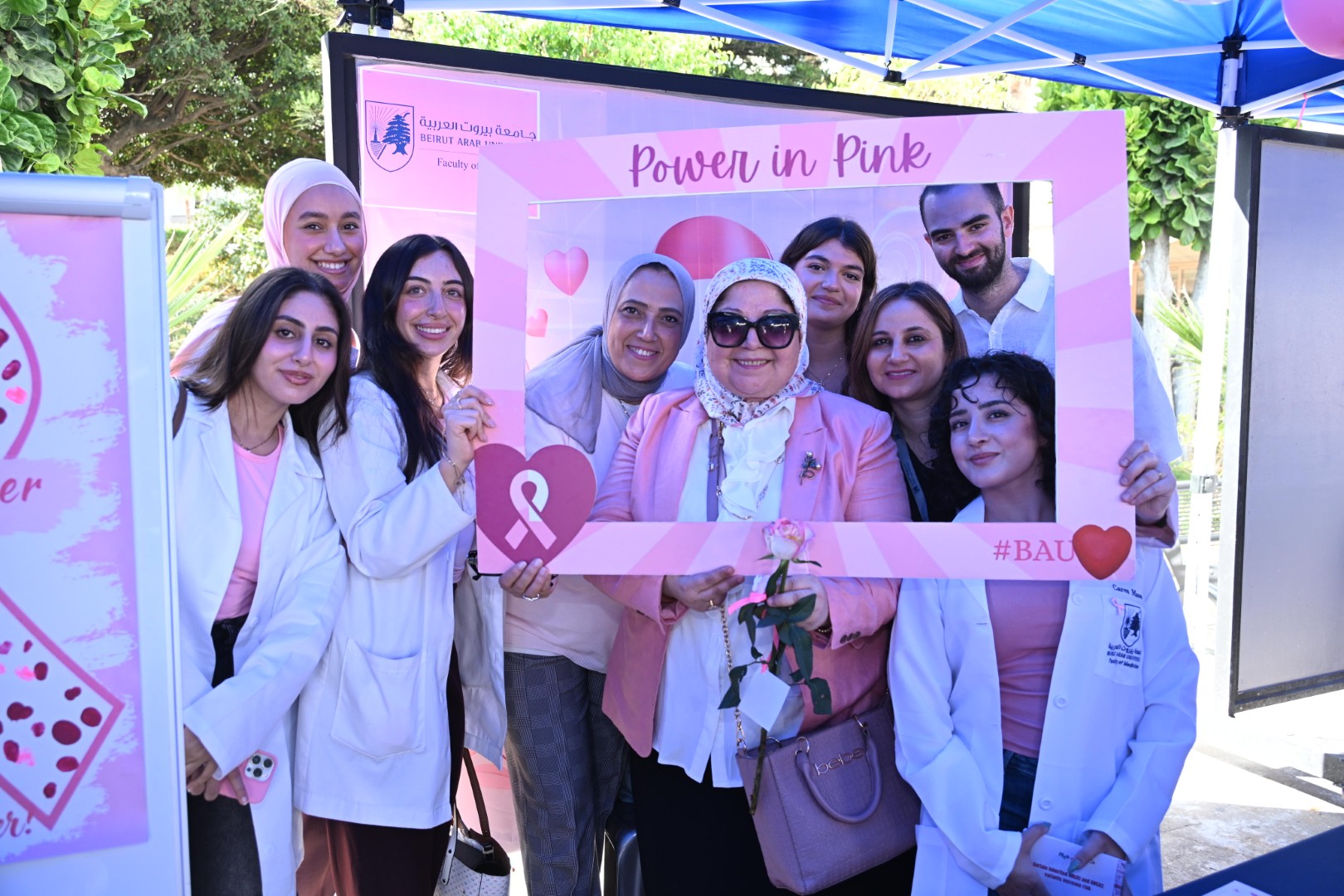
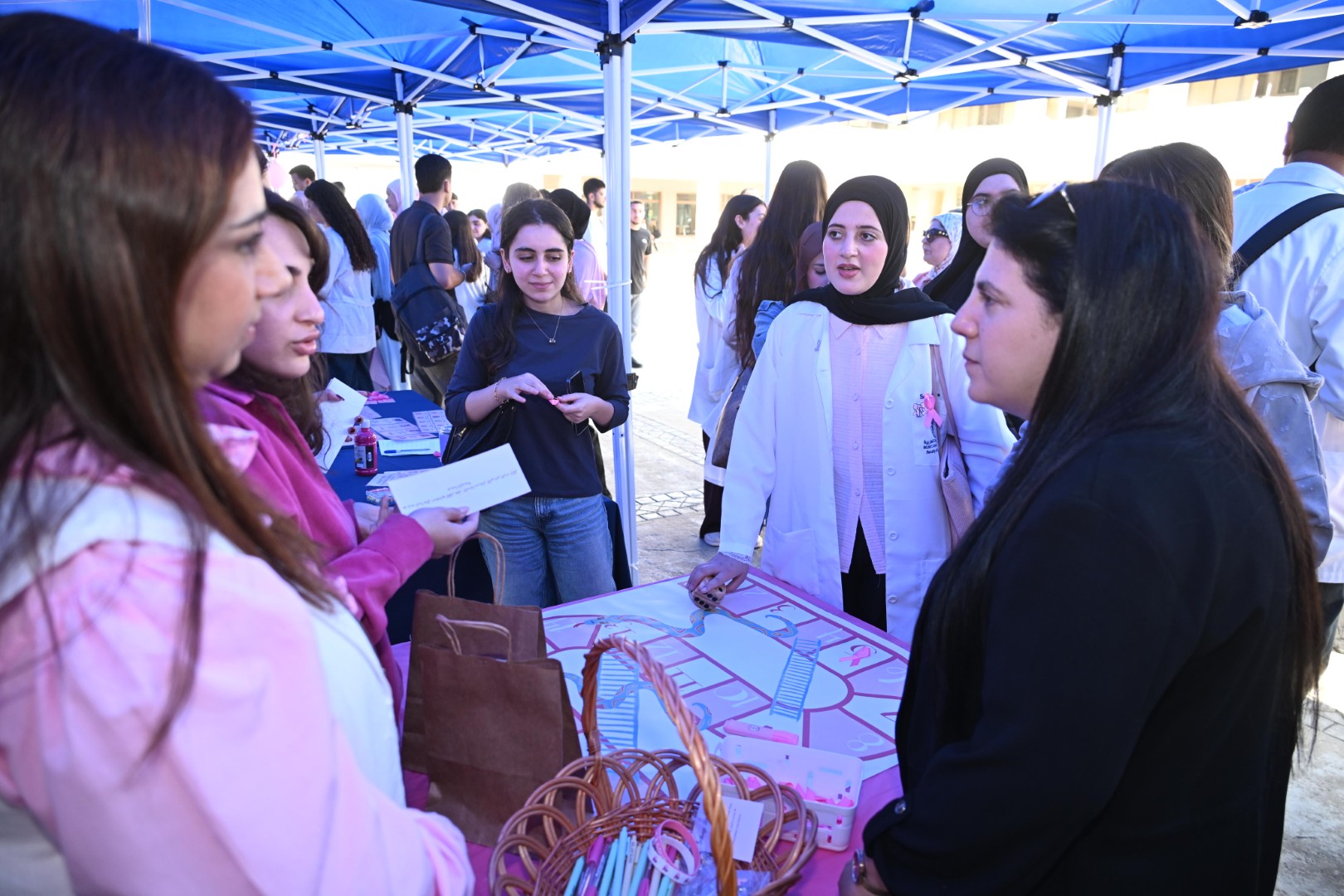
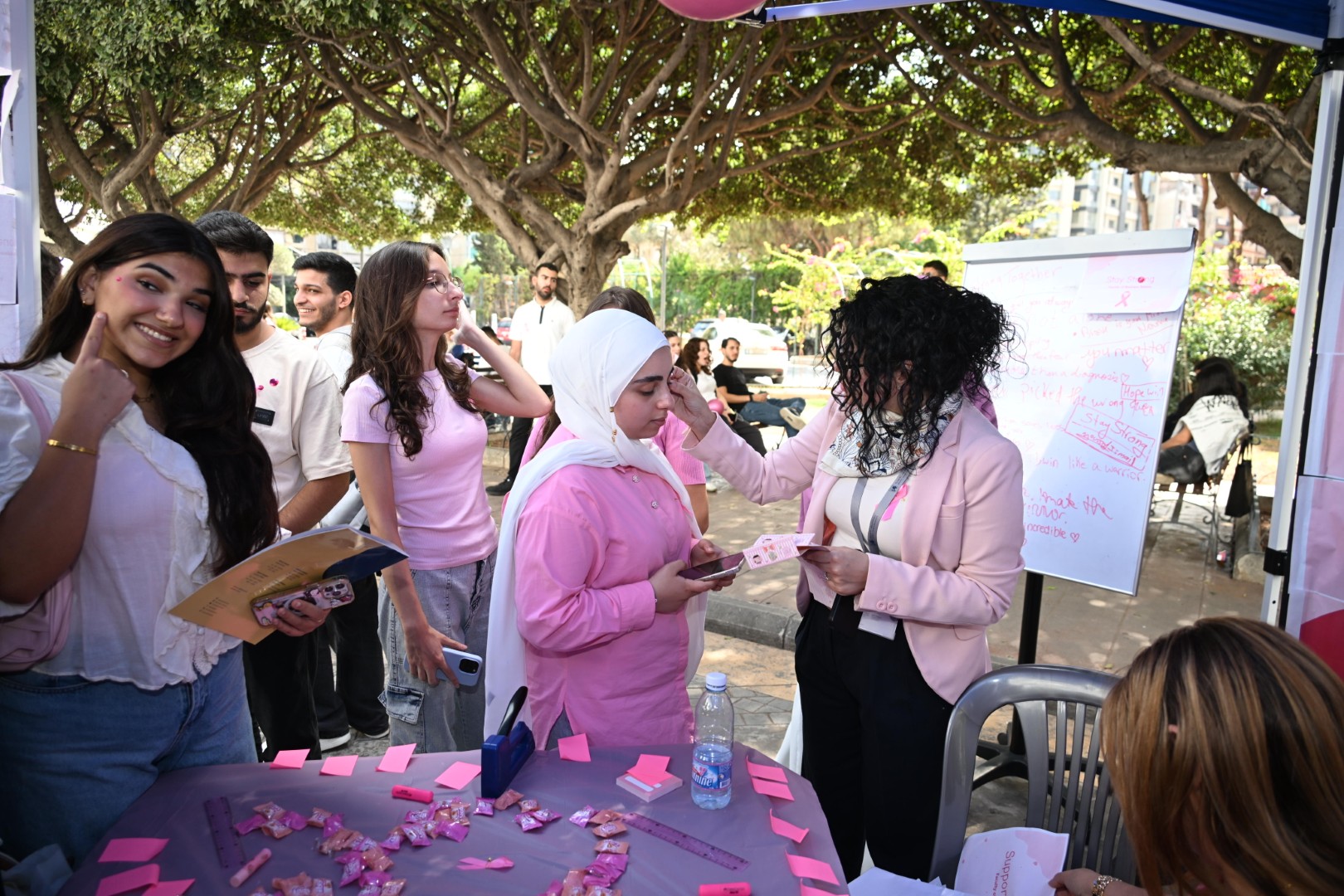
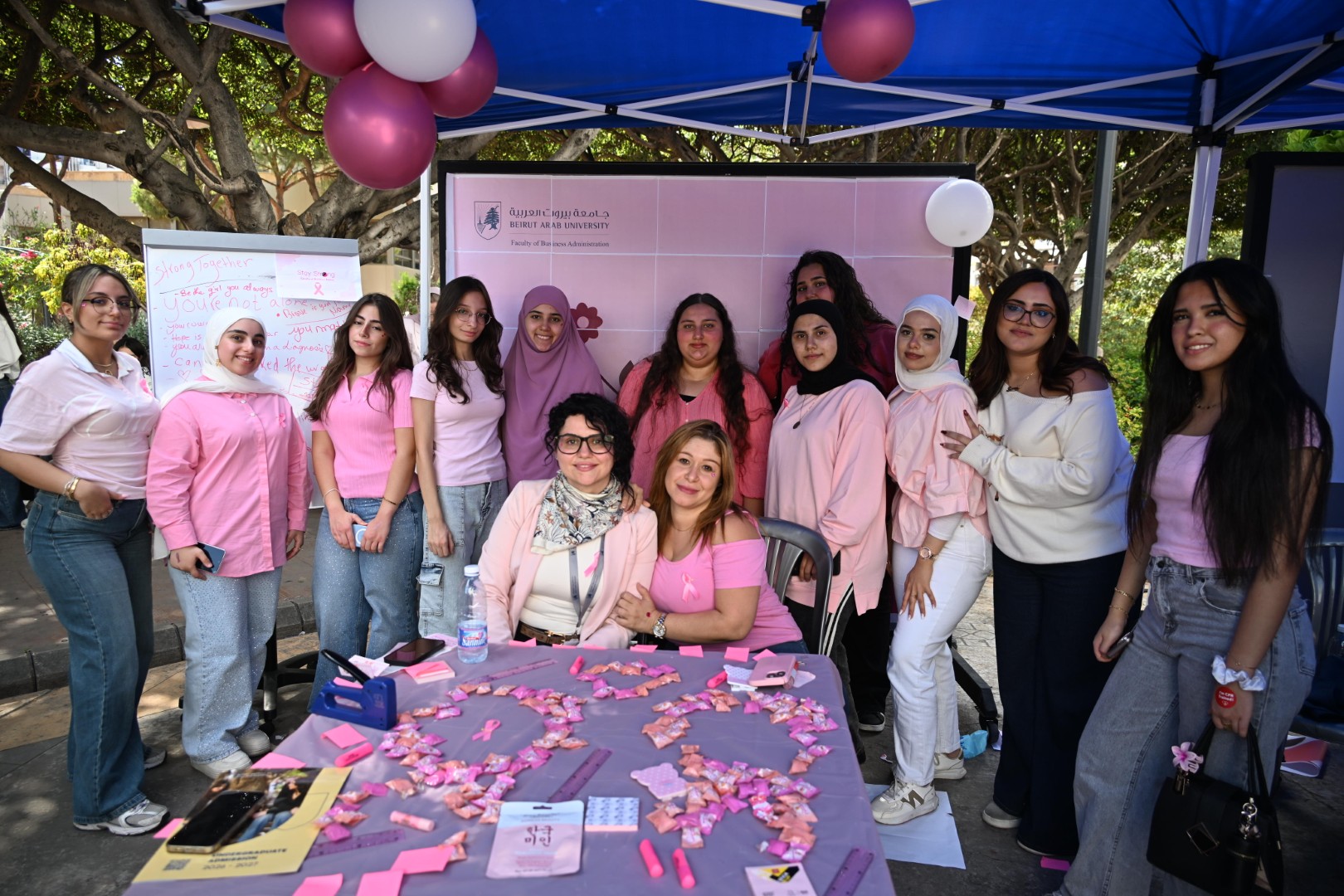
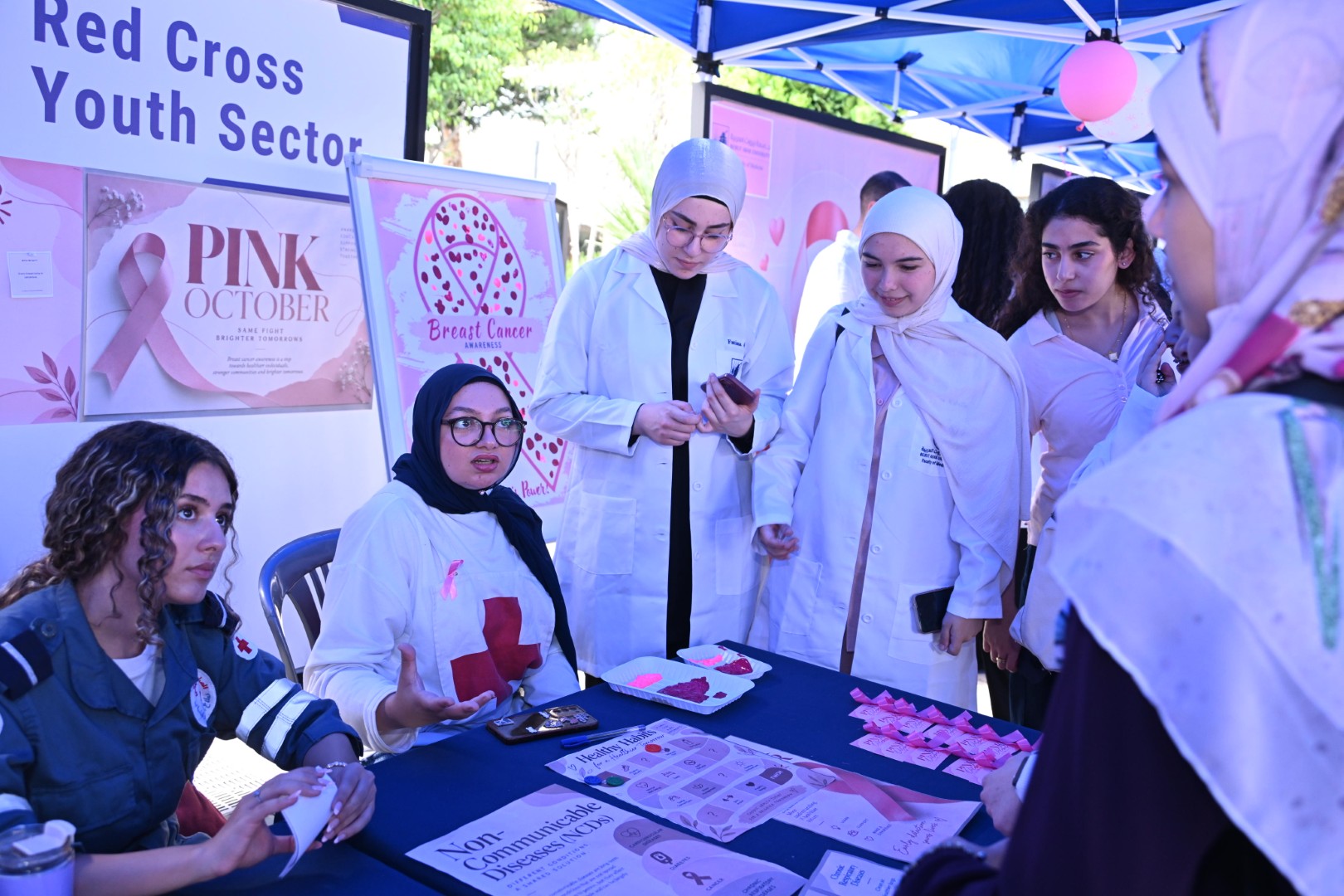
Held on the sidelines of the conference was an interactive breast cancer awareness exhibition, featuring active participation from students across the Faculties of Medicine, Pharmacy, Human Sciences, and Business Administration, in collaboration with the Student Life Department.
The symposium panels collectively reinforced the paramount importance of early detection and accurate diagnosis in improving treatment outcomes. They underscored the role of medical advancements and modern technology in tailoring treatment options to individual patient profiles, while highlighting the necessity of integrated care combining medical, surgical, physical rehabilitation, and nutritional support to optimize patient outcomes and quality of life.
This symposium reflects Beirut Arab University’s ongoing commitment to advancing public health awareness, fostering interdisciplinary knowledge exchange, and promoting evidence-based medical practices centered on early detection and comprehensive healthcare.