
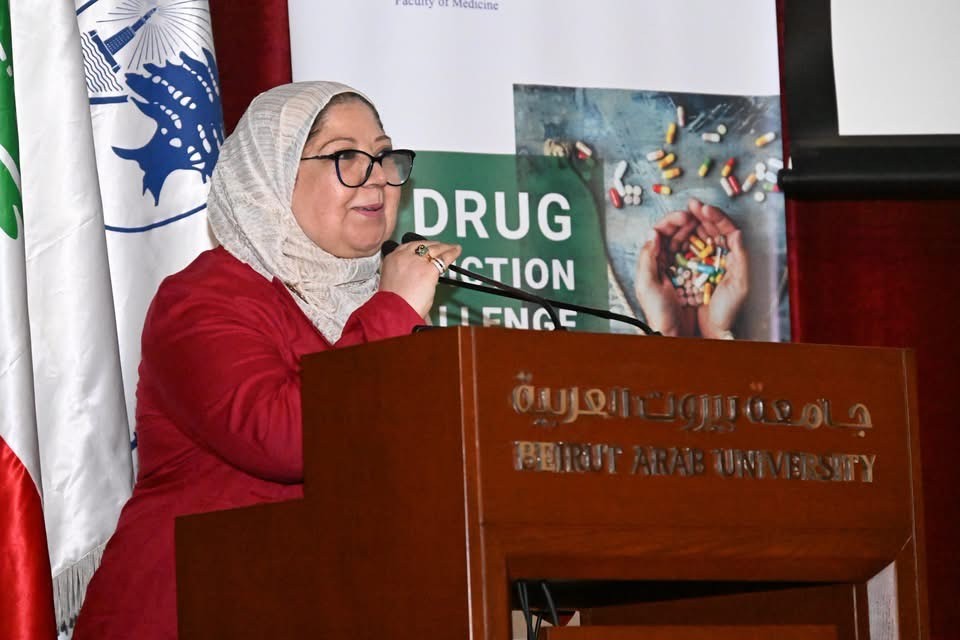
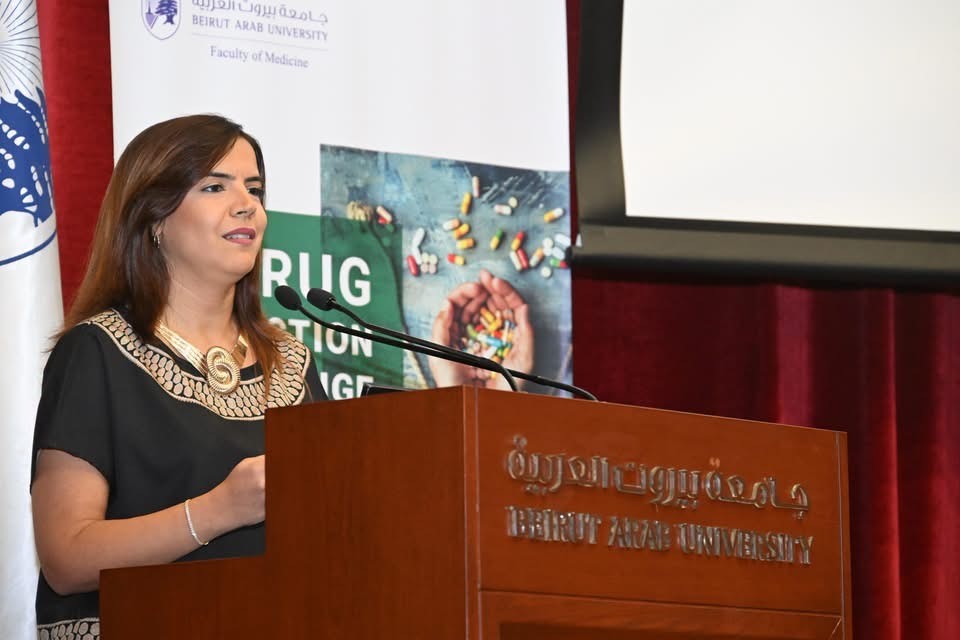
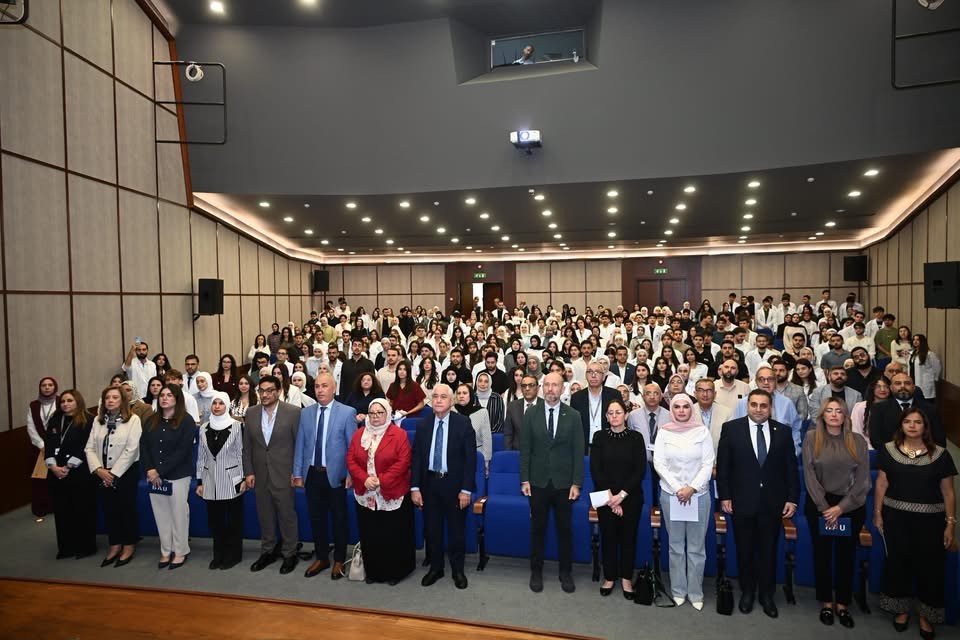
The Faculty of Medicine at Beirut Arab University organized a scientific and awareness conference on the hazards of substance abuse, titled “Drug Addiction Challenge”.
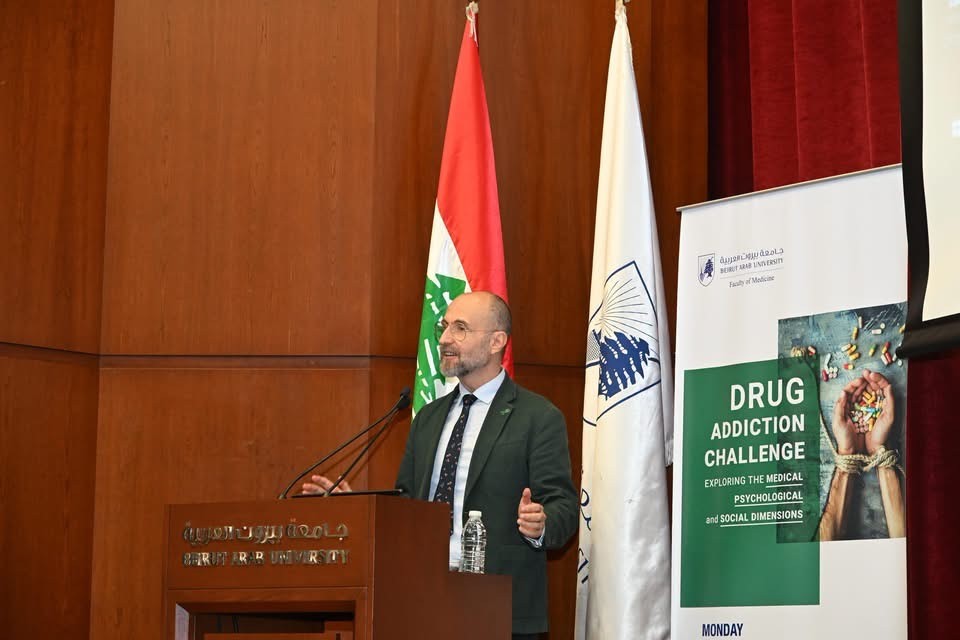
Faculties of Pharmacy, Health Sciences, Human Sciences, Business Administration, Law and Political Sciences participated in the event, aiming to shed light on this phenomenon across its medical, psychological, social, and legal dimensions. The conference was held in the presence of President of the Board of the Waqf Al-Bir wal-Ihsan and Chairman of the BAU Board of Trustees Dr. Ammar Houry, Dean of the Faculty of Medicine Professor Wafaa Al-Sehly, Director of the National Mental Health Program at the Ministry of Public Health Dr. Rabih Chammay; Brigadier General Salah El-Din El-Sadek representing the Head of Military Medical Services; Dr. Rasha Hamra representative of the World Health Organization in Lebanon; military and strategic expert and co-founder of the JAD - Association Against Drugs Retired Brigadier General Dr. Taki El-Din El-Tannir; representatives from Skoun Lebanese Addictions Center; along with faculty deans, a large gathering of students, and interested attendees.
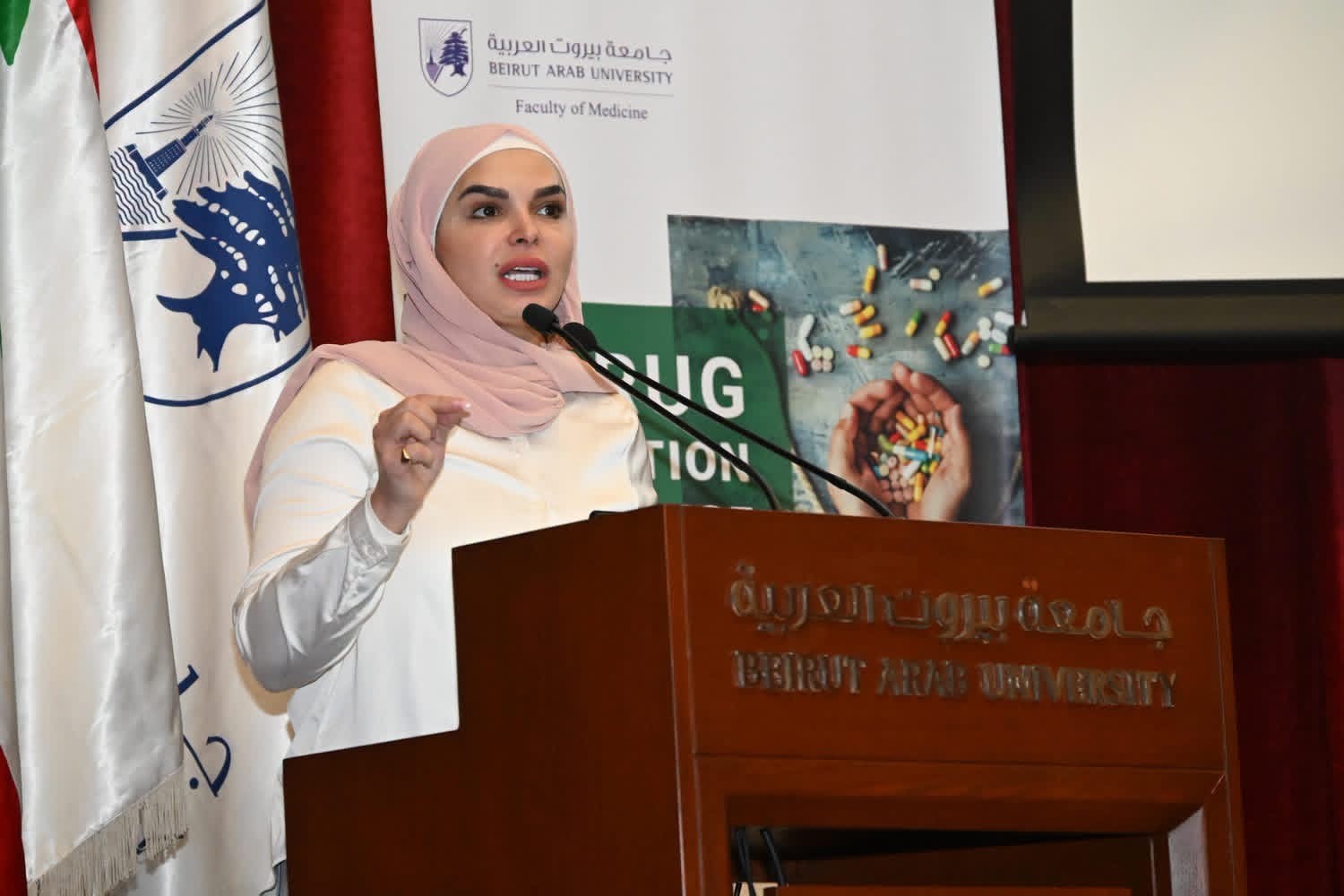
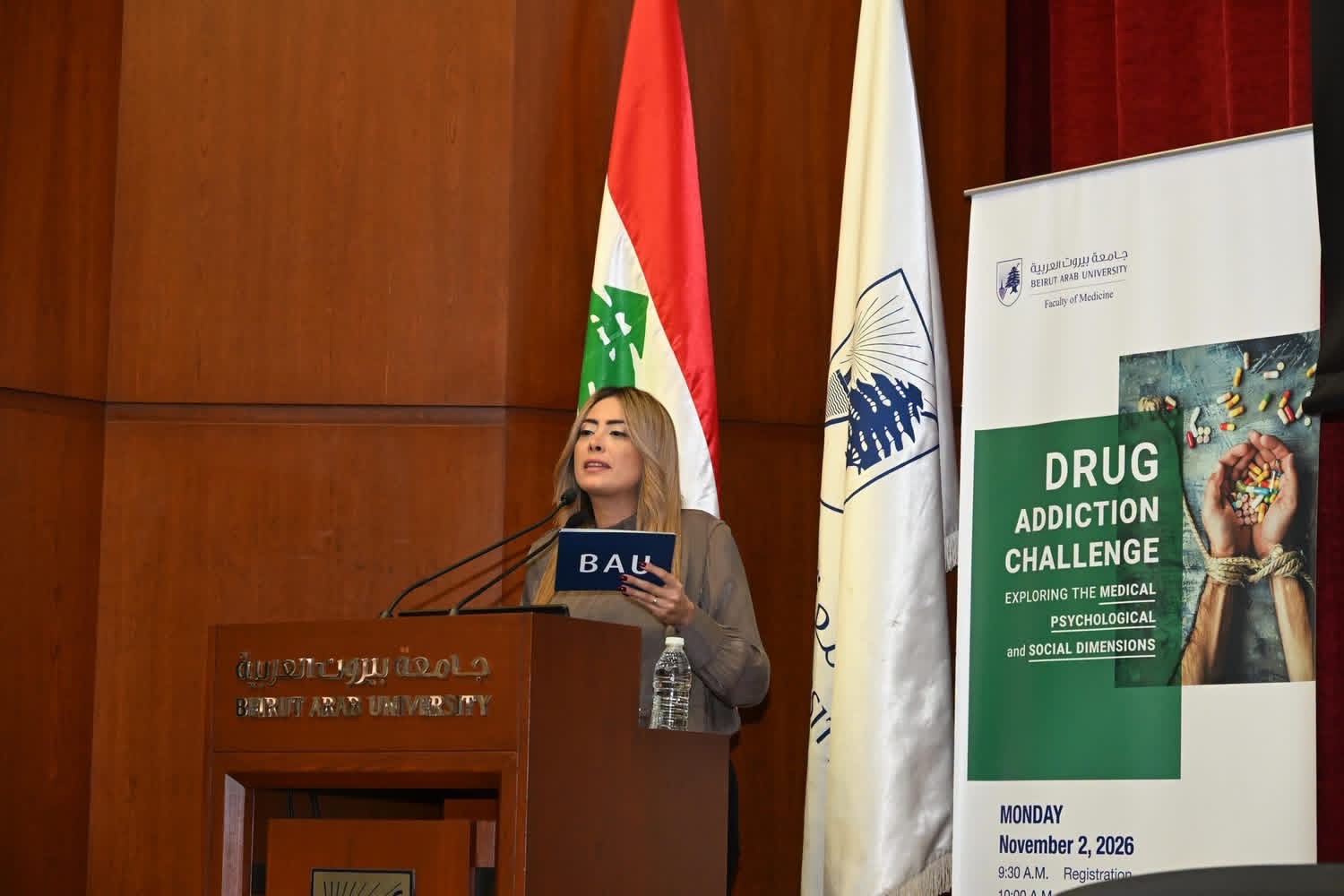
In her opening remarks, Dr. Miriam Battal affirmed that addiction is not merely a bad habit, but a complex condition affecting the brain and behavior, with far-reaching consequences for the health of individuals, families, and society as a whole. She emphasized the critical need for an interdisciplinary approach to understanding and confronting this issue an approach embodied by the conference organized by the Faculty of Medicine in collaboration with the Faculties of Pharmacy, Health Sciences, Human Sciences, Business Administration, Law and Political Sciences.
Dean of the Faculty of Medicine Professor Wafaa Al-Sehly, presented an overview of the global state of addiction, drawing on recent statistics regarding substance users and related mortality rates. She discussed the primary classifications of drugs including natural, processed, and synthetic substances and their various methods of administration. Highlighted as well were the severe risks these substances pose to human health and life, illustrated through real-life case studies of individuals whose struggles with addiction led to failure, imprisonment, or death, contrasted with others who successfully achieved recovery and rebuilt their lives. She concluded by stressing the importance of awareness and sound decision-making, urging young people to reject drugs and choose a path of life and well-being.
For his part, Founder and Director of the National Mental Health Program at the Ministry of Public Health Dr. Rabih Chammay, stressed that addiction is a complex health condition rather than a moral failure or personal choice. He underlined the necessity of adopting a humanitarian perspective centered on prevention, treatment, and harm reduction, free from social stigma and prejudice.
He also outlined Lebanon’s ongoing efforts to develop national strategies aimed at confronting addiction and expanding access to treatment and healthcare services. He pointed out key challenges, including high treatment costs, limited accessibility, and the profound impact of social and psychological pressures on youth during crises. Dr. Chammay called upon students to actively participate in raising awareness and fostering a supportive culture of recovery, reiterating that addiction is a medical and humanitarian issue requiring care rather than punishment.
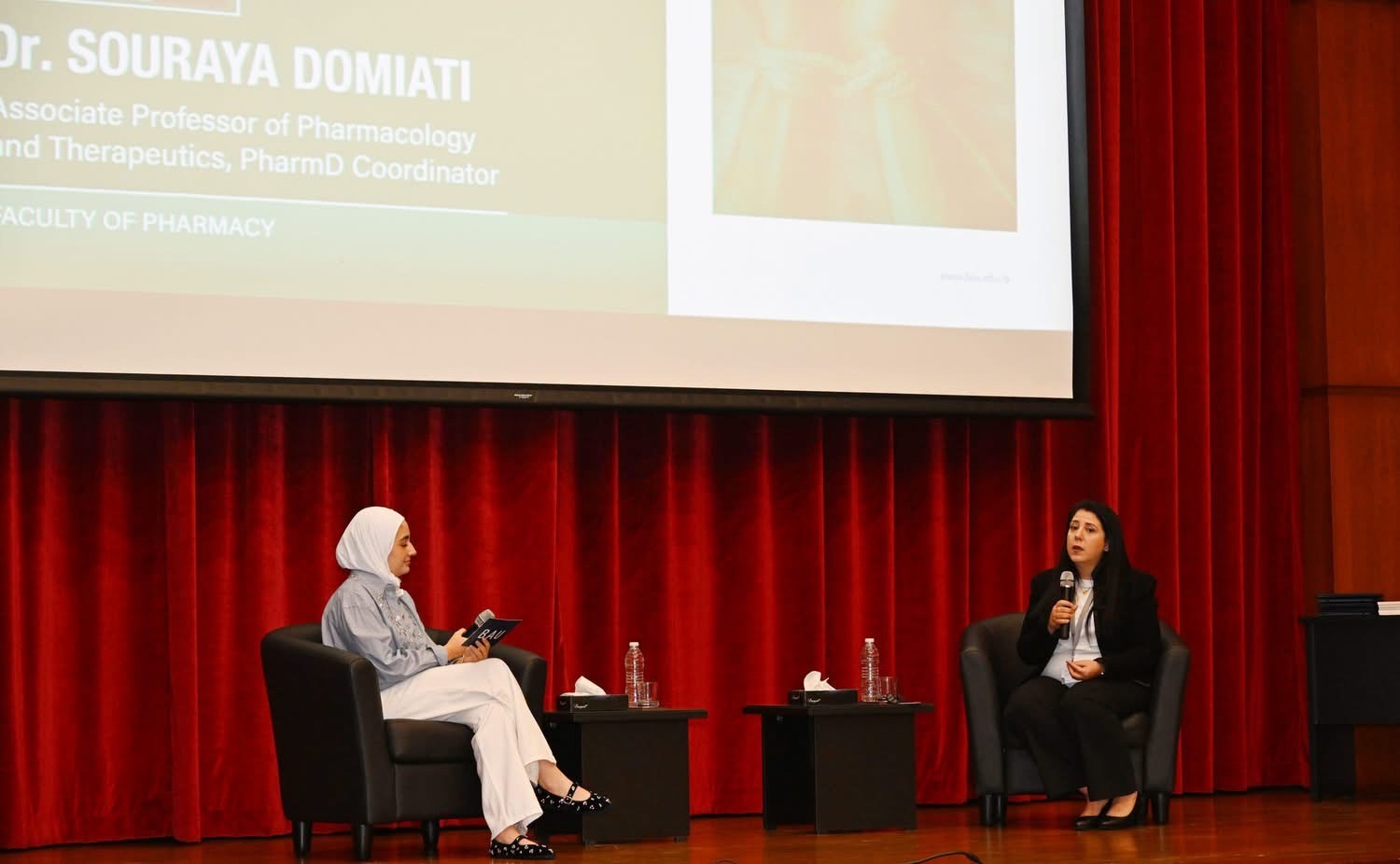
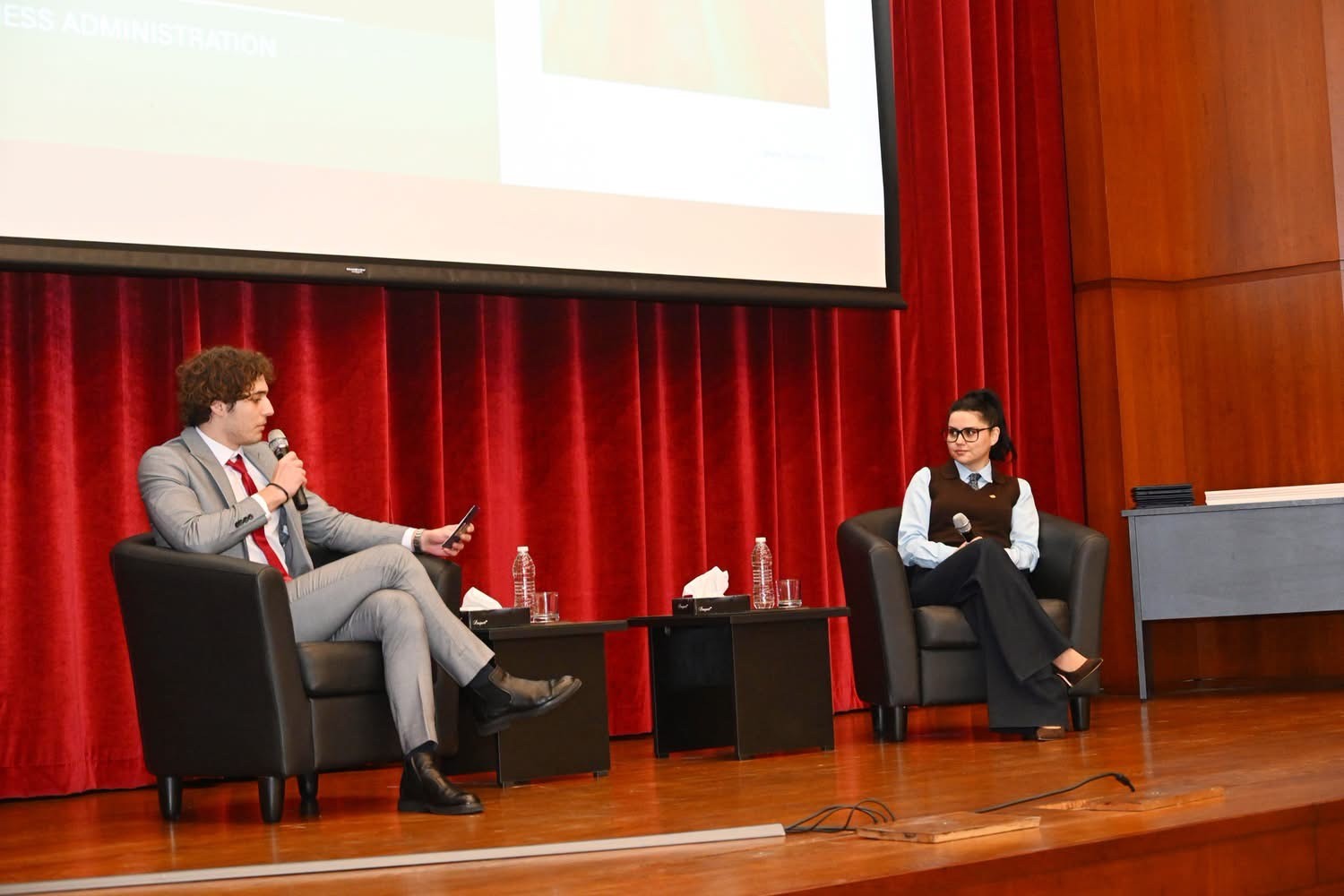
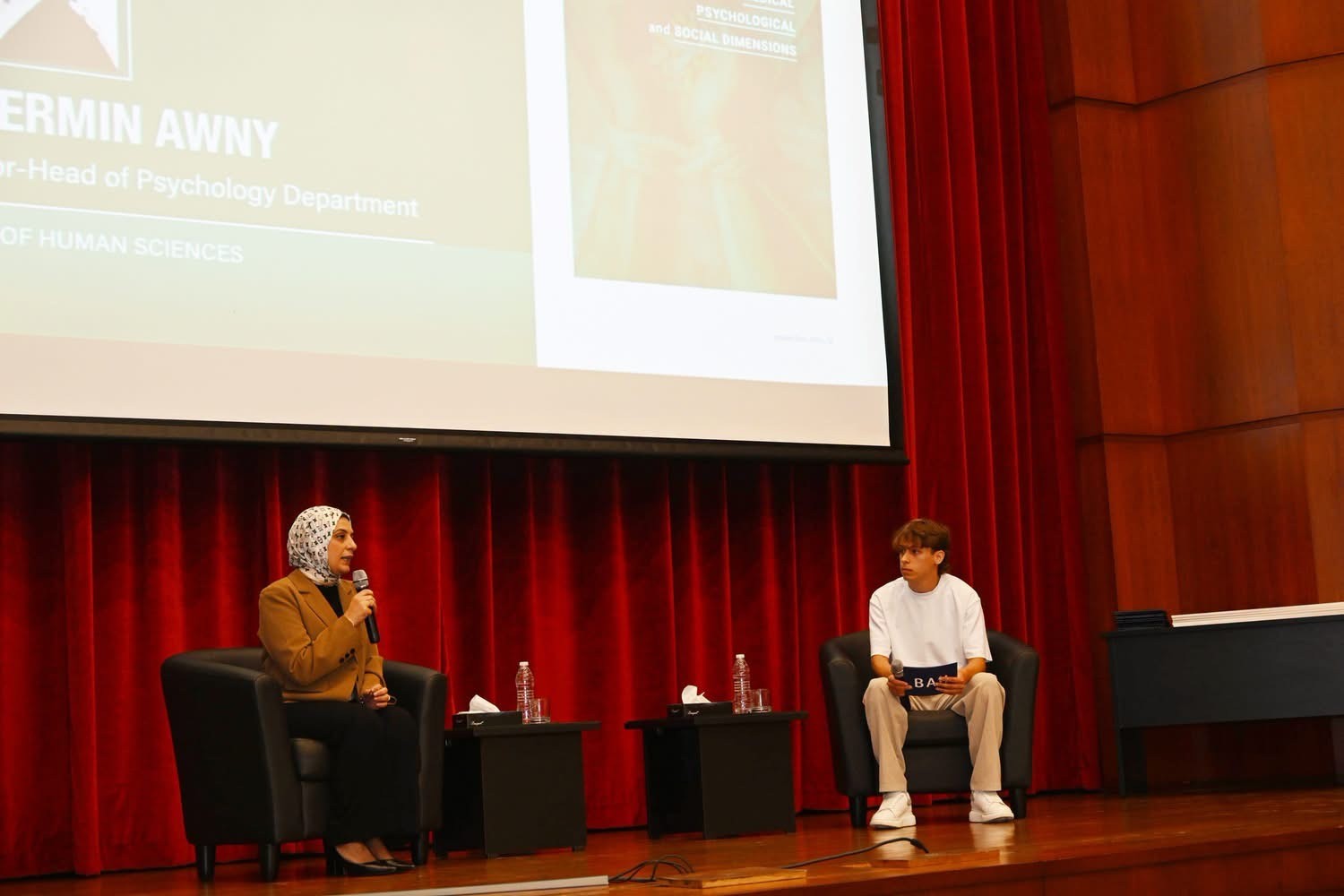
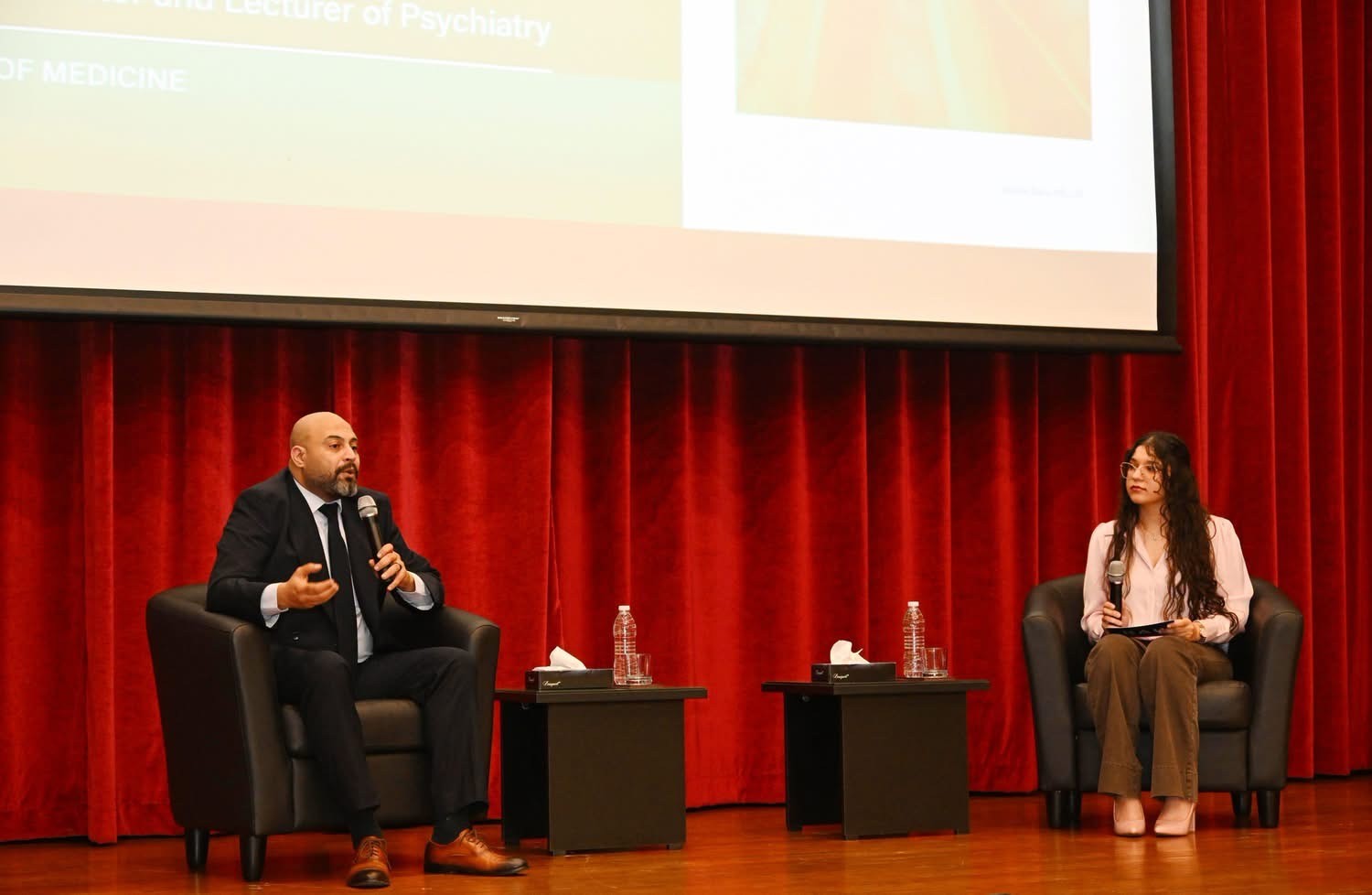
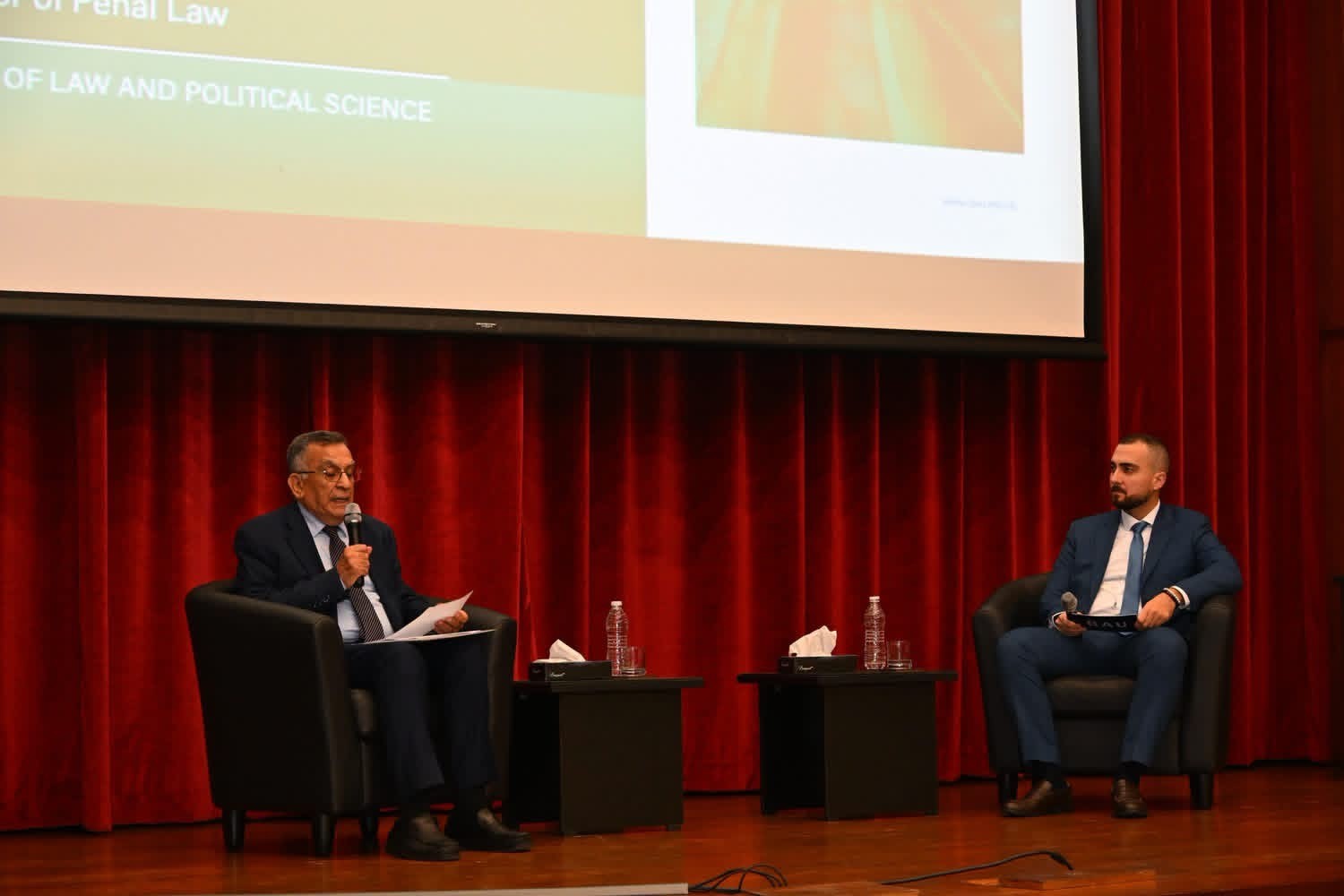
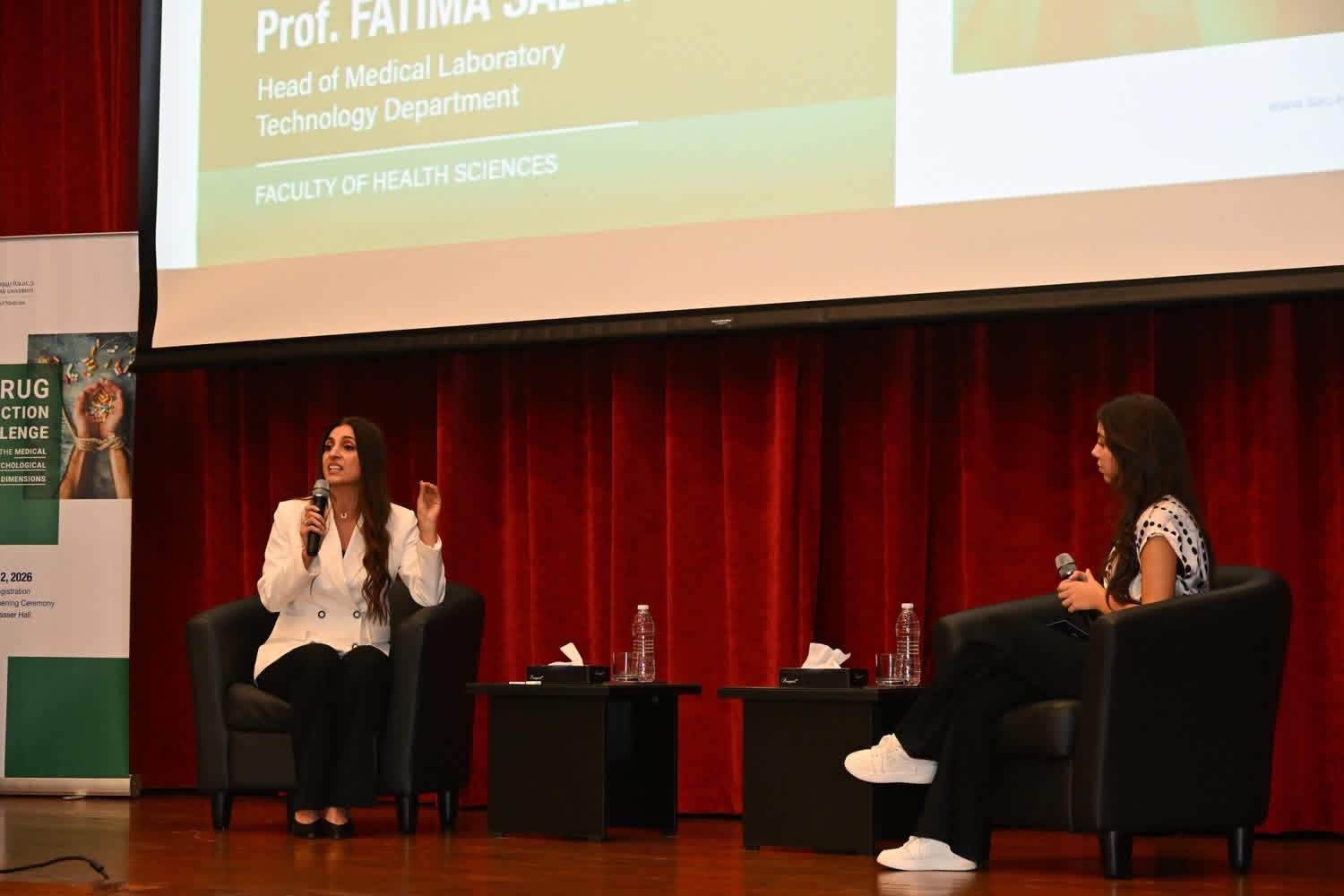
Furthermore, the conference featured a series of specialized scientific lectures exploring the mechanisms of addiction development, drug types, diagnostic laboratory testing, and patient treatment protocols. The sessions also addressed the psychological, economic, and legal dimensions of addiction, including its correlation with criminal activity. The lectures were delivered by Dr. Nariman Salem, Dr. Thoraya El-Demyati, Professor Fatima Saleh, Dr. Mohammad Kalash, Dr. Nermeen Awny, and Dr. Maggie Hachimi, alongside Ms. Roula Mohammad Soubra, advisor in educational management, leadership, and governance, and board member of JAD, as well as Dr. Fawzi Adham.
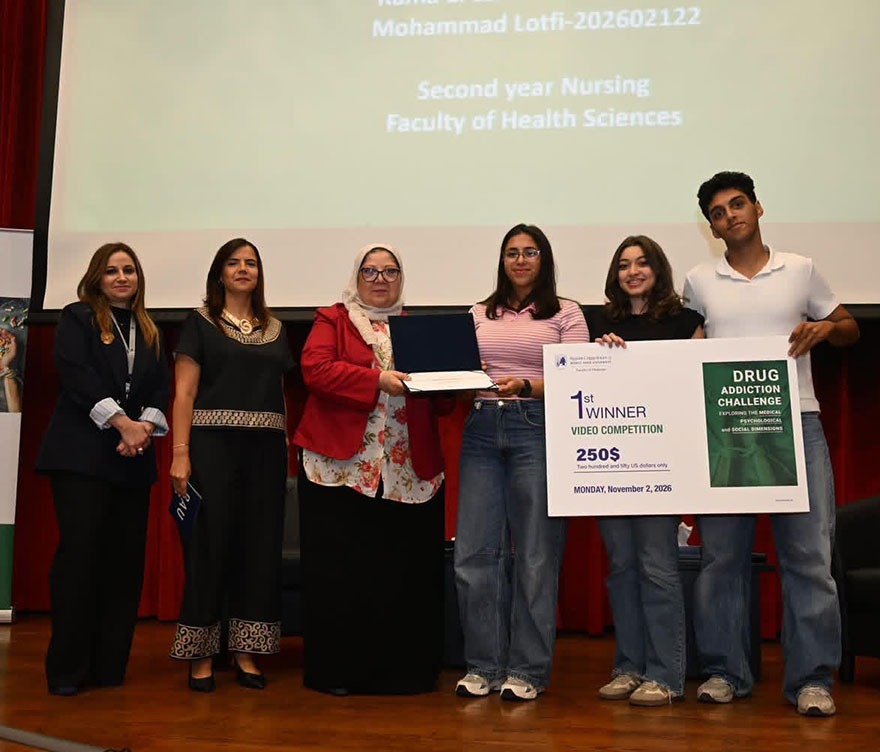
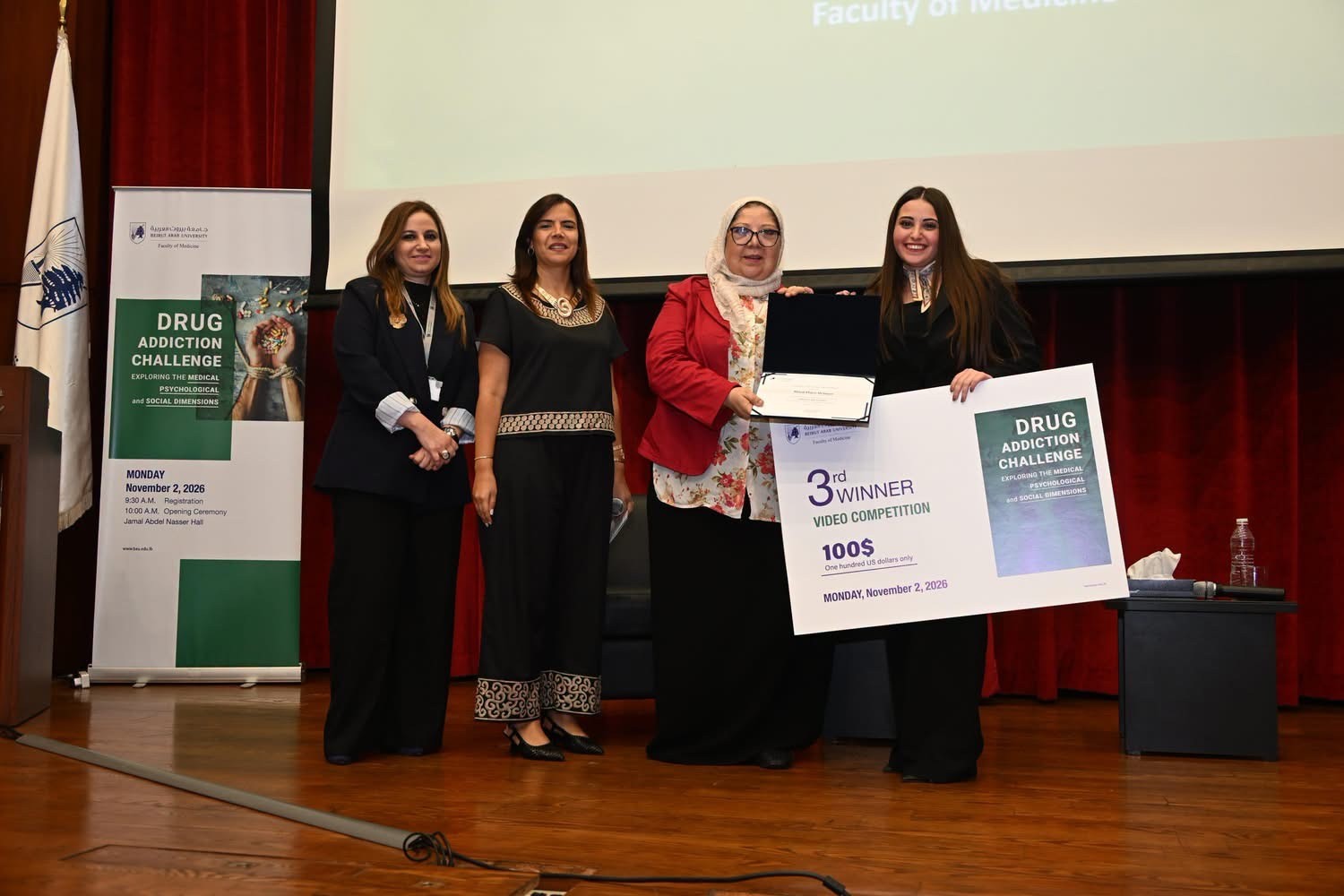
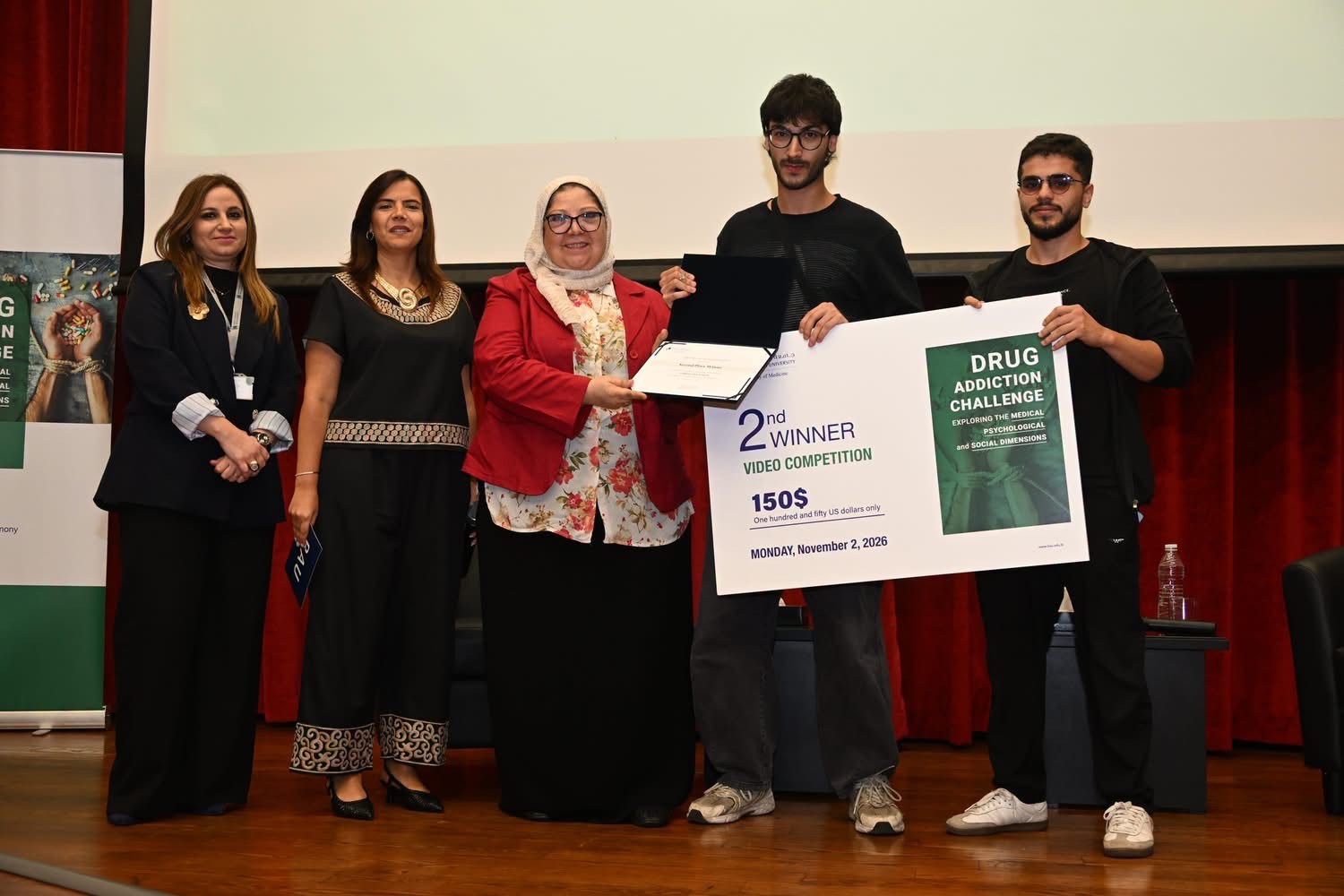
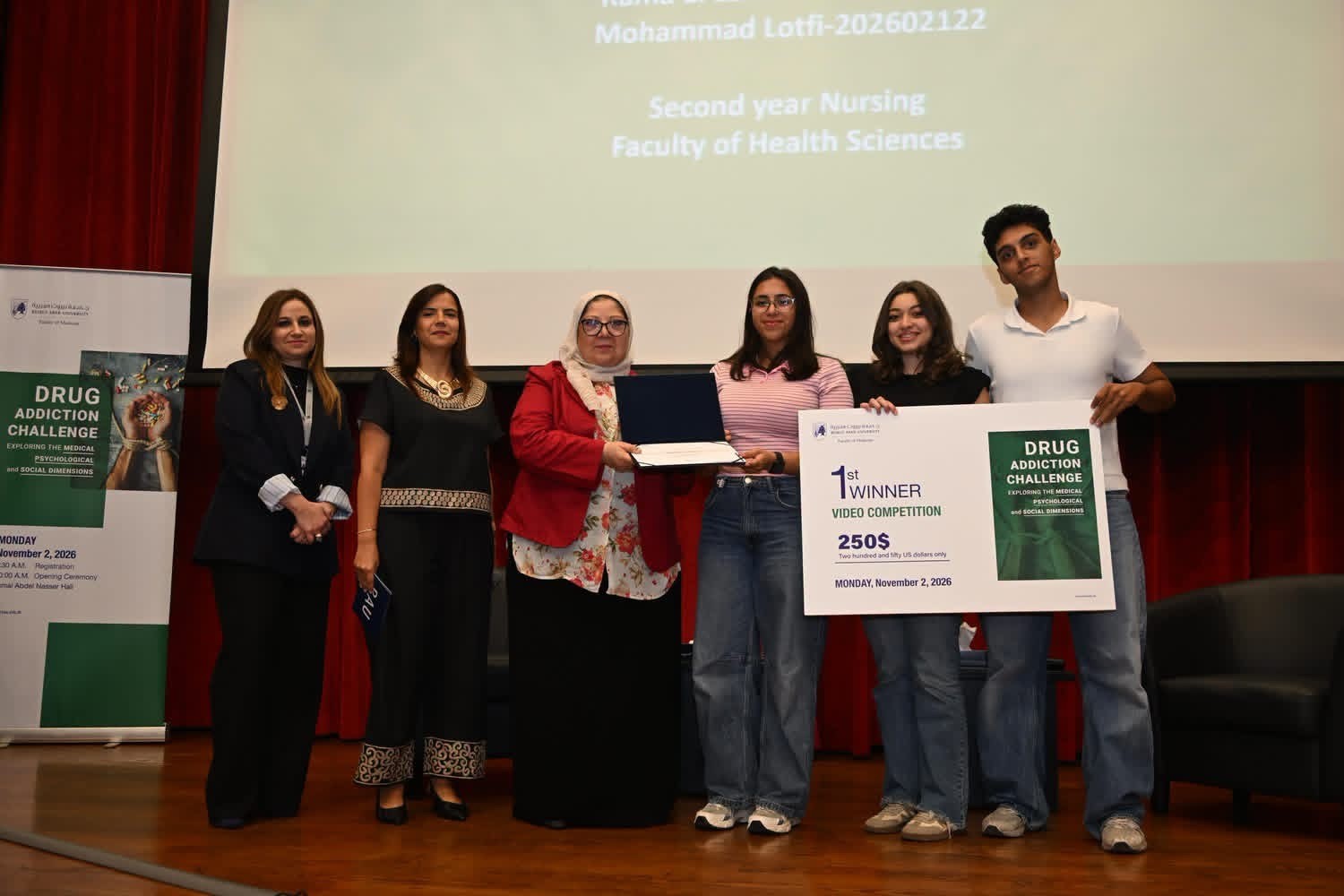
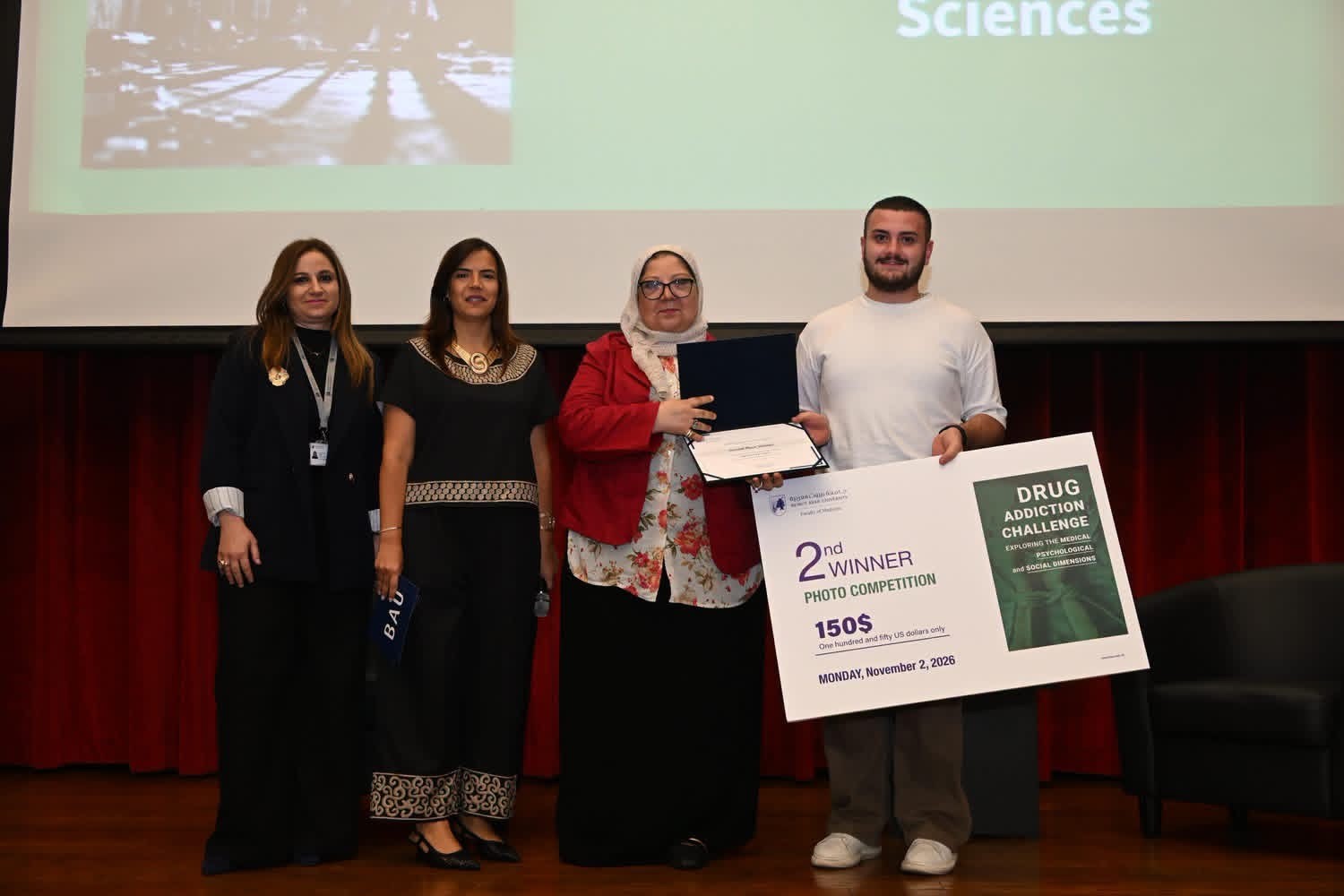
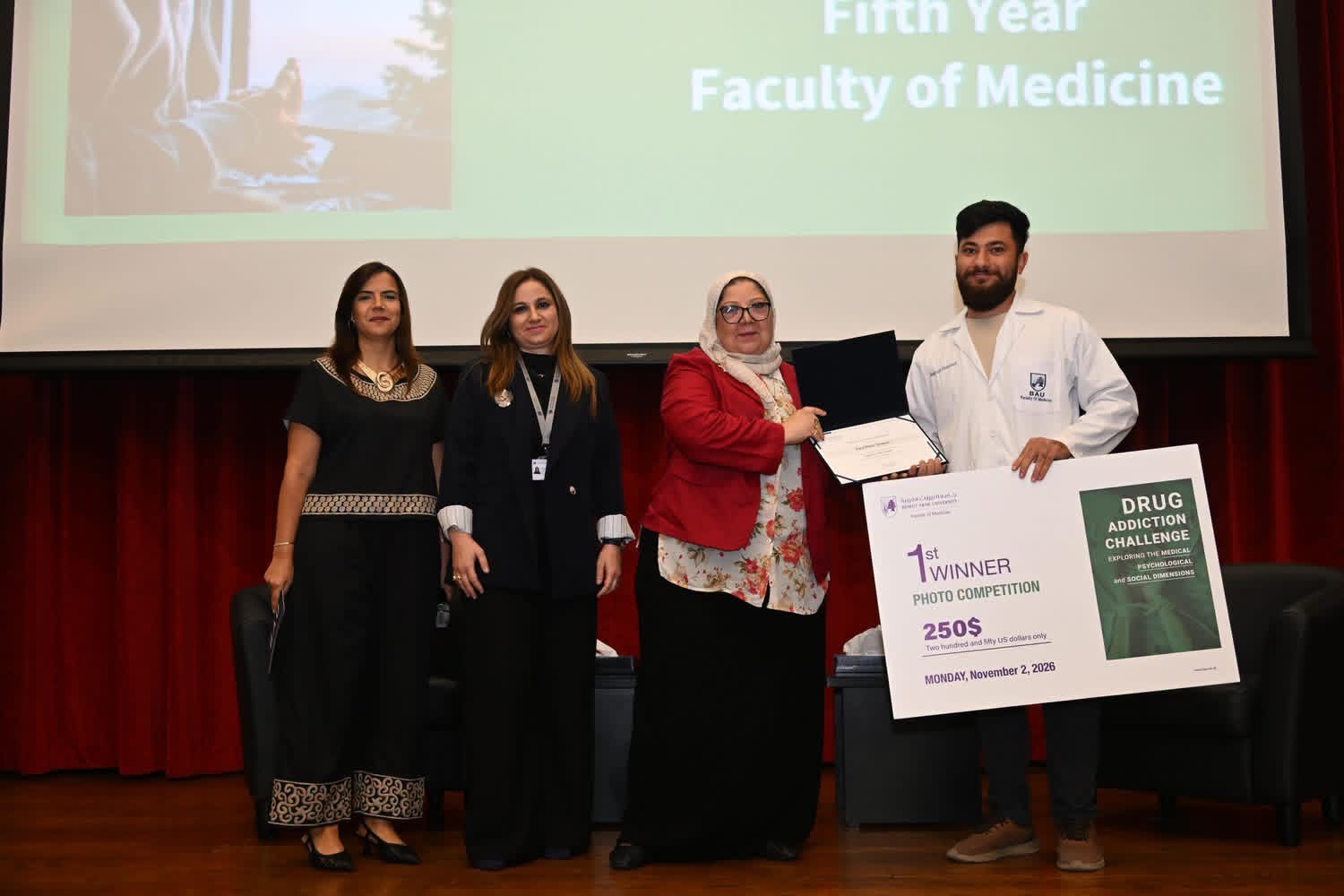
The event concluded with an award ceremony for the awareness competition, in which students across various faculties participated by submitting short videos and visual media designed to raise awareness about the dangers of addiction and promote a culture of prevention among young people.